Replacing lipstick with matcha
By Acacia Carol, Layout Editor
The Lipstick Effect posits that during times of economic crisis or uncertainty, consumers will turn their noses up at significant purchases, such as an expensive purse, and instead opt for smaller luxuries, such as lipstick.
The theory has been subject to scrutiny, as it was entirely based on Estee Lauder chairman Leonard Lauder’s personal observation of rising sales amidst the early 2000s recession. Additionally, during the Great Depression, there was reportedly a 25 per cent increase in cosmetic sales.
More recently, during the 2020 pandemic, there was an increase in mascara consumption. This led some experts to believe that not only is there validity in buying something smaller and impactful during hard times, but also that our preferences were changing.
However, the Lipstick Effect isn’t a formal economic index for the strength of an economy. In fact, when testing Lauder’s claims, studies found that cosmetic sales went down with economic uncertainty. The rise in the early 2000s was found to be more closely connected to the increase in celebrity cosmetic brands during that period.
Much like the similarly positioned Stripper Index, there seems to be something in our brains that finds the idea of sacrificing big comforts for smaller indulgences when we’re making those paycheques stretch a little further.
But if fake, why relate?
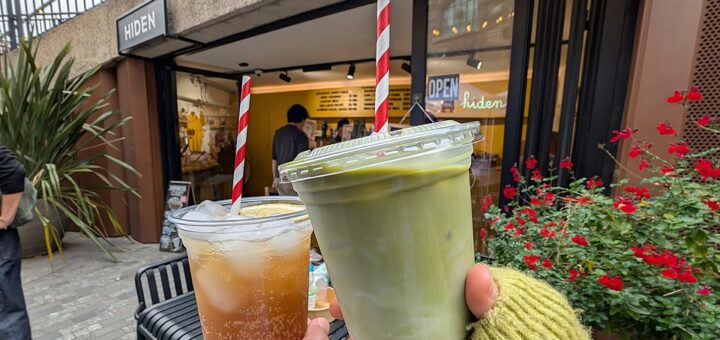
Dubai chocolate. Strawberry matcha. Dot cakes. These aren’t just random words smashed together so much as they are indicators of groceries, foods, and new flavours becoming synonymous with luxury.
A 2023 report by Deloitte found that the most popular category for superfluous spending wasn’t cosmetic; it was food or beverage-based. The research also found that most international consumers were three to four times as likely to splurge in that category.
This trend is coming back to Alberta as well. According to a 2026 CBC report, the price of groceries has doubled since 2002, with almost half of that increase taking place during or after 2020. According to Statistics Canada, the domestic sales of baked goods expanded to $11.8 billion from 2020 to 2024.
So, in a world where the bare essentials cost more, including the food needed to fuel yourself every day, does it not make more sense to get that consumer dopamine hit from a drink and pastry, as opposed to the lipstick you’ll only wear when going out anyway?
Cosmetics are also more limited in their appeal to the consumer en masse. How much does that shade of lipstick cost, and does it go with your skin tone? Will that tinted moisturiser break you out and force you to use more of the pimple patches you have? Is it worth going through an entire everything shower just for your hair to come out greasier with that new shampoo?
A sweet treat, as the indulgence has so often been dubbed online, can also be enjoyed with a friend. If it’s disappointing, the impact doesn’t feel as wasteful.
There’s also a disconnect between generations here. While Millennials and Gen Z might both be prioritising health with their diet, a McKinsey and Company report reads that the latter are also chasing a new, global experience with their cuisines. Diet can not only promote health or beauty, but it can also create an opportunity to try new flavours and learn about new cultures without the large expense of travel.
Putting your money where your mouth is
The cost of living has risen by 3.2 per cent in Canada in 2026 alone. Although Gen Z’s eventual buying power is set to be in the trillions by 2040, that still leaves a generation of young people to look for comforts that they can afford right now.
And all this money talk doesn’t even mention the impact that allowing a small indulgence can have on mental health, with articles outlining that creating a treat system can be beneficial.
So, the next time you feel guilty for picking up a fun little drink, trendy dessert, or even a new lip gloss, just remember that talk is cheap, and your future home will probably be even more expensive.