
Reflectorial: Being good at hockey isn’t enough

Julia Finot, Sports Editor
I love hockey, but I am tired of the defiance in holding players accountable after they have been outed for their wrongs.
I have spent my entire life admiring the game. I love the National Hockey League’s (NHL) intensity and emotion, unforgettable moments and its ability to make fans feel like they are a part of something much bigger than themselves. But it is incredibly frustrating to reconcile that love with a culture that seems so willing to excuse the behaviours of the athletes fans are encouraged to idolise.
The NHL is filled with many players fans adore. We purchase their merchandise and make them their heroes. But somewhere down the line, we have become so infatuated with what these men can do on the ice that we have become complacent, overlooking who they are off it.
The Hockey Canada sexual assault case has been a constant reminder of just how uncomfortable that reality is. Even after the case forced difficult conversations about hockey’s culture and the treatment of women, the conversation continues to return to the players and their futures. Fans are more concerned with their careers and what comes next for these players than with whether they have been held accountable for their wrongdoings.
As a woman who loves hockey more than any sport, I find this deeply troubling. I refuse to believe that loving the sport means turning a blind eye to the things it needs to confront. We need to continue questioning the culture surrounding the sport and hold everyone accountable.
Why is there such an eagerness to see these players return to the NHL?
The problem is hero worship.
We have become so attached to the versions of athletes we have created in our minds that some struggle to accept anything that challenges them. We know their stats and the moments they created for fans, but we do not know these athletes personally.
We have started measuring character through players’ athletic ability. We celebrate them for their discipline and competitiveness, then become outraged when those qualities don’t translate into the people fans have imagined them to be. We have been fooled into thinking that someone who can accomplish extraordinary things on the ice must be extraordinary off it.
Being a good hockey player and being a good person are two entirely different things.
Through our fandoms, we have made players larger than life. Their talent, their identity and their successes become legacies we celebrate. When their behaviour challenges the images fans have created, it is easier to defend their actions than reconsider why we idolise them in the first place.
The conversation surrounding controversial players has become less about what accountability should look like and more about whether these players deserve a second chance in hockey.
Their careers and the potential to continue them are constantly brought into the conversation, as if losing their ability to play at the highest level were the worst consequence they could face.
I understand wanting to believe people can change, but there is a difference between allowing someone the opportunity to grow and believing they are entitled to return as if nothing has happened.
Being acquitted of criminal charges doesn’t make someone deserving of public admiration.
Why does their ability to play hockey have to determine how we view their character?
Hockey will always be bigger than one player. After all, it is a team sport. The game existed long before these players arrived, and it will continue after they retire. No one player is so talented, so valuable, or so loved that the sport should be afraid to hold them to its own standards.
The NHL has repeatedly faced questions about the consistency of its disciplinary decisions regarding accountability. Its responsibility extends beyond disciplining players. It must work to also create a safe environment for everyone.
“It’s up to the NHL to actually convince anybody that this is actually a safe space for people because every day they want to prove that it’s not,” said Canadian actor Jacob Tierny on Radio Andy.
Fans and franchises need to stop confusing talent with character and popularity with accountability. People can change. They can learn and move forward. But they aren’t automatically entitled to return to the highest level of play and fans are not obligated to celebrate them when they do.
I will always love hockey. But loving the game does not mean idolising the men who play it. And it certainly does not mean that I have to accept that being good at hockey is enough to forget.
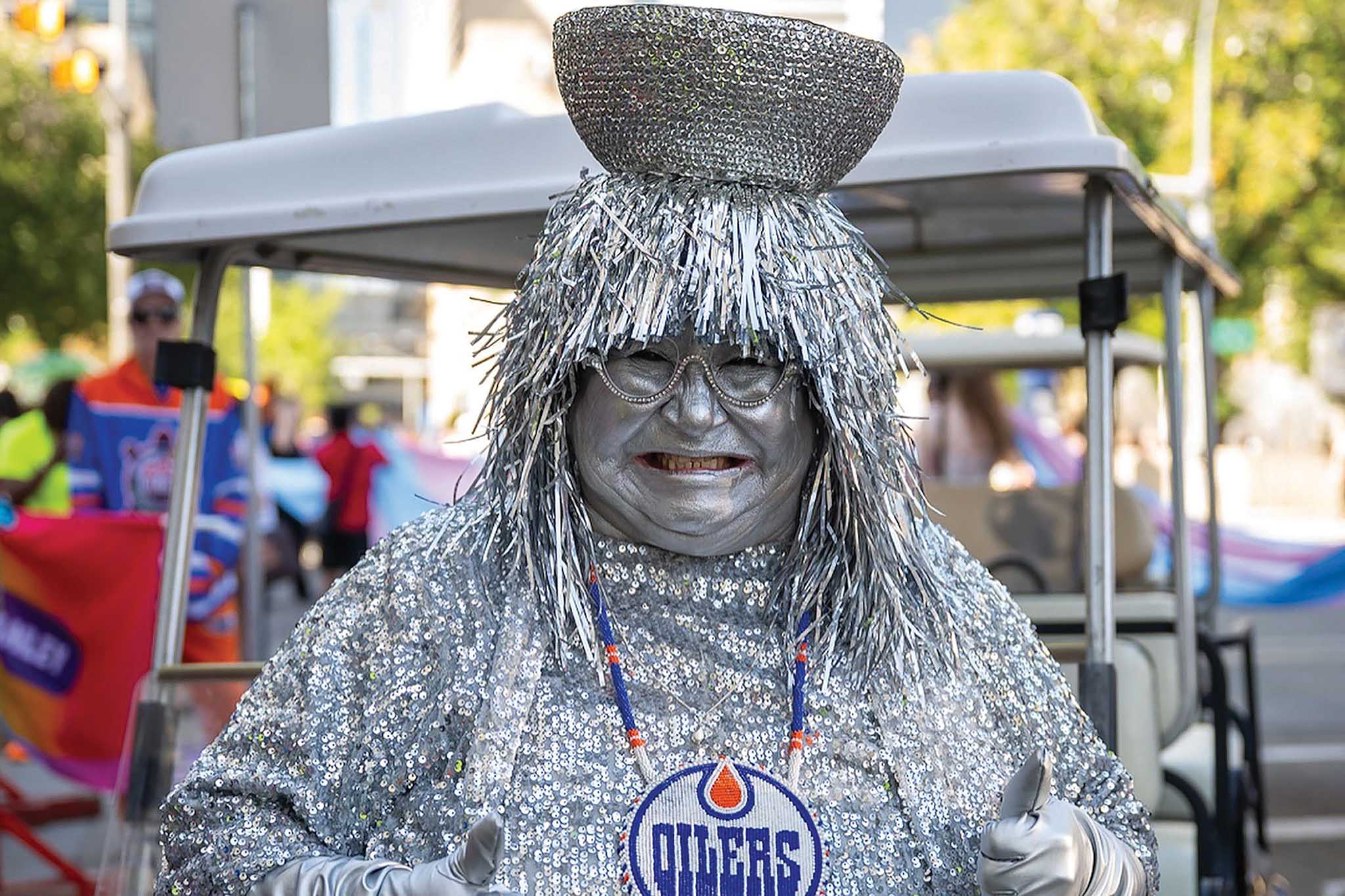
Edmonton Oilers superfan and sexual assault survivor Mama Stanley stopped supporting
the franchise after they signed former Canadian world junior forward Alex Formenton. Photo
courtesy of Instagram / @mamastanleyyeg