
International students share concerns over referendum results
Anais Loeppky, Web Editor
As Alberta’s referendum results continue to spark conversations across the province, international students at Mount Royal University (MRU) are considering what the outcome could mean for their futures in Canada.
For some, the results have left them wondering what the future might look like, while others see the referendum as an opportunity to observe how decisions are made and whose voices are being heard.
Global perspectives
Kento Fujisawa, an international student at MRU, said he sees referendums as a valuable way to examine public opinion, although he believes voter participation remains an important consideration.
“I think it is a good way to reflect people’s opinion. However, low voting rates are always a problem,” Fujisawa says.
Fujisawa also drew comparisons to the political landscape in his home country, Japan, noting how differences in voter demographics can influence democratic decisions.
“In my country, most of the voters are elderly, so a constitution that benefits the elderly will be easier to pass,” he said.
Concerns for what comes next
For other international students, however, the results carry a more personal sense of uncertainty, particularly when considering their plans to remain in Canada after graduation.
Christian Gabriel Ramos said that, following the official referendum results, he became concerned about what the outcome could mean for his future in Alberta.
“After hearing and reading the official results, not gonna lie, I’m pretty worried about what it entails regarding my status as an international student and my pathways after graduation,” Ramos says.
Despite those concerns, Ramos says he is trying to remain optimistic as he navigates the uncertainty.
Feeling welcome
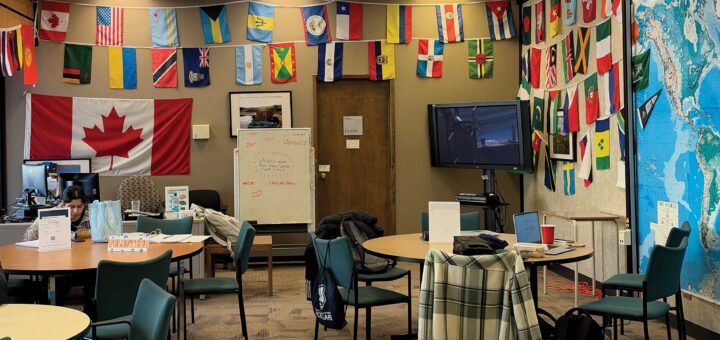
Students from MRU’s Global Student Lounge also shared their thoughts on the referendum results.
One student, who asked to stay anonymous, expressed that while they understand the importance of Albertans having a say in decisions affecting their province, it can be difficult to navigate political conversations when the outcomes may also affect people who are not eligible to vote.
“I think sometimes international students are in a difficult position because we live here, and we contribute to the province, but we don’t always have a voice in these decisions,” the student said.
Another student, speaking anonymously, shared concerns about how the referendum results could translate into changes affecting international students.
“When you are studying in a new country, there are already so many things to figure out. The referendum had some questions about immigration that made me feel a bit unwelcome,” she says. “You want to know that the time and money you are investing in your education will lead to opportunities in the future.”
The referendum results can raise questions that extend beyond the political conversation itself for international students.
Many have chosen to study in Alberta, with plans to continue their education or eventually build a life in Canada.
For international students, conversations surrounding immigration can also feel pointed.
When policies and political discussions begin to question who belongs in a province and who gets to call it home, it can leave some students wondering how welcome they are and whether they will have the same opportunities they initially hoped for.
For students like Fujisawa, the referendum raises questions about representation and voter participation. For Ramos, it brings a more personal concern about the future and the opportunities that may await after graduation.
As Alberta continues to navigate the referendum debate, international students are watching closely, balancing uncertainty with optimism about the future.
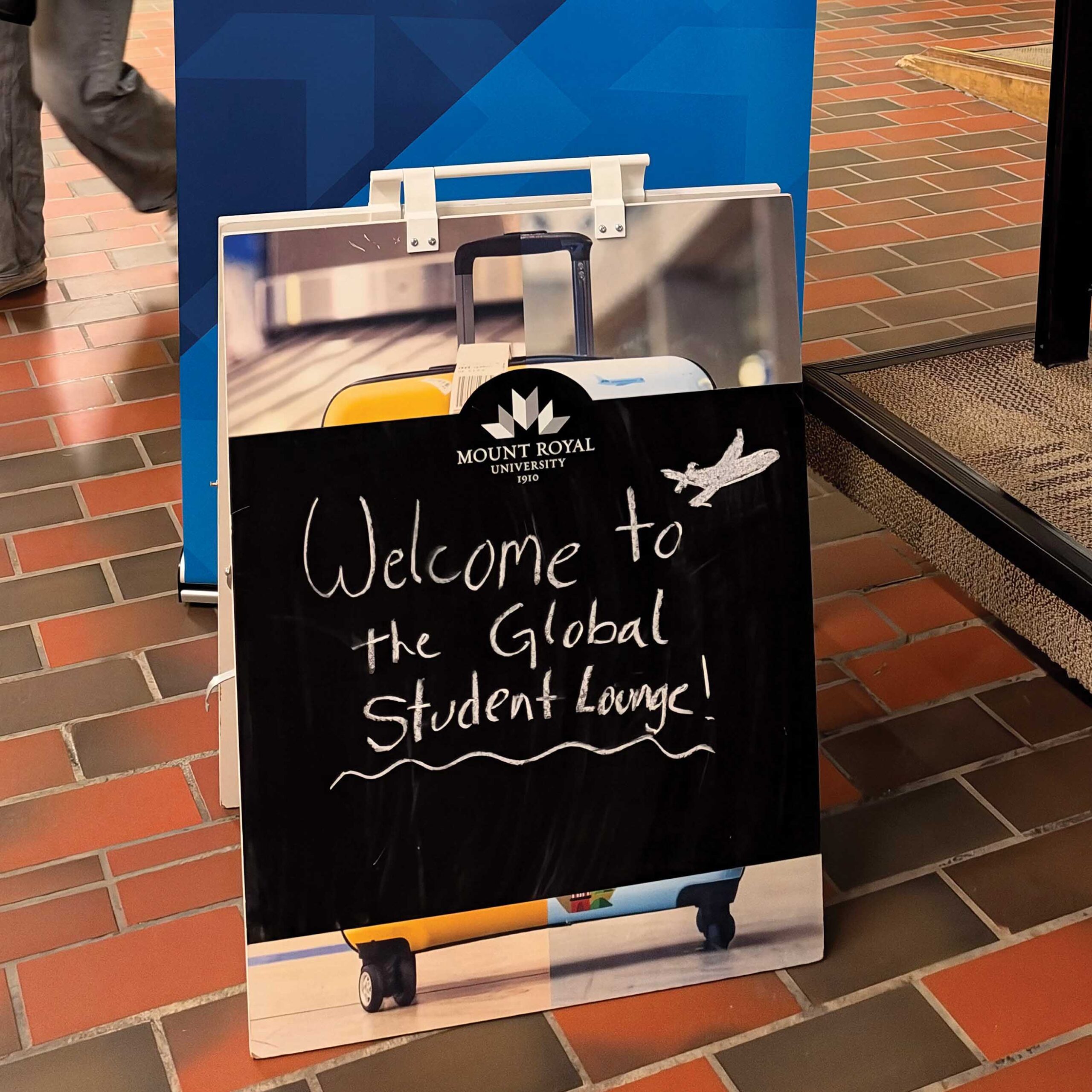
As referendum results leave immigrants and temporary
residents in limbo, international post-secondary students
question what this means for their access to resources.
Photo by Serena Kanji-Ramji