
Reflectorial: We need student journalism
Karra Smith, News Editor
Journalism is a dying craft.
Every day, in the age of technology, we grapple with the world’s woes, whether AI makes us question what is real, social media feeds us disinformation, or political figures and institutions lie blatantly.
It is hard to trust anything right now.
But for decades, student newspapers have been fighting media norms and pushing to tell stories mainstream outlets don’t think to cover.
The Cornell Seven
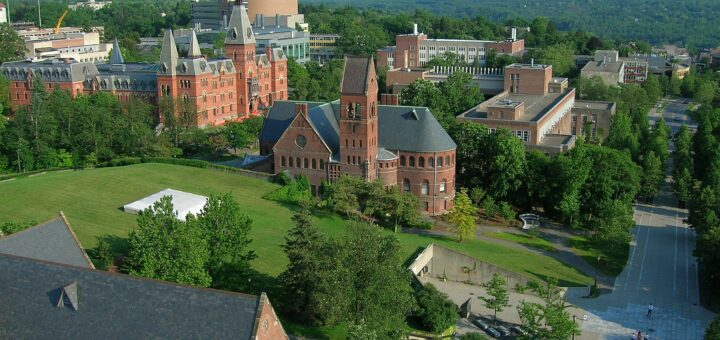
The most current example is The Cornell Daily Sun covering the horrific story of a female student on Cornell campus who was drugged and raped by seven members of a fraternity.
For privacy reasons, the student was given the pseudonym Jane Doe and following her attack, she tried to tell her story, but as is the case for many sexual assault reports, no consequences came from her coming forward.
That was, until Cereese Qusba, a student journalist and senior editor at The Cornell Daily Sun, joined the conversation. Qusba and other members of The Sun refused to let the story be buried.
They covered the graphic sexual assault and ensured other students on campus knew what happened and what exactly was not done about it.
The outrage that followed was huge, and the story was quickly picked up by national and international news outlets.
Since the initial coverage, the reporters at The Cornell Daily Sun have consistently updated and followed the story.
A story that, had it not been for a student-led media outlet, would have remained within the walls of the Cornell campus.
Not the only one
This is not the first time its students have broken stories or brought critical information to light.
In 2017, a high school newspaper in Pittsburg, KA, decided to welcome its new principal by writing a profile piece on her.
Throughout the interview and writing process, the student journalist began to notice certain aspects of the principal’s background did not align with the facts.
They discovered illegitimate credentials, which led to the principal’s immediate resignation.
In another case from 2013, The GW Hatchet, the student paper at George Washington University, uncovered contradicting information about the school’s admissions process.
During a GW Hatchet reporter’s interview with the new associate provost of enrollment management, a discrepancy between funding and student admissions was uncovered.
Shortly after the story was published, the new associate provost addressed the concerns and ensured more time would be dedicated to transparency.
Holding institutions accountable
Student journalism has proven time and again that it is critical to maintaining accountability with high-level institutions.
While mainstream news does much of the heavy lifting in terms of breaking a story, The Cornell Daily Sun and the team of high school editors in Kansas highlight the necessity of keeping authentic journalism alive in a time of media echo chambers and AI junk.
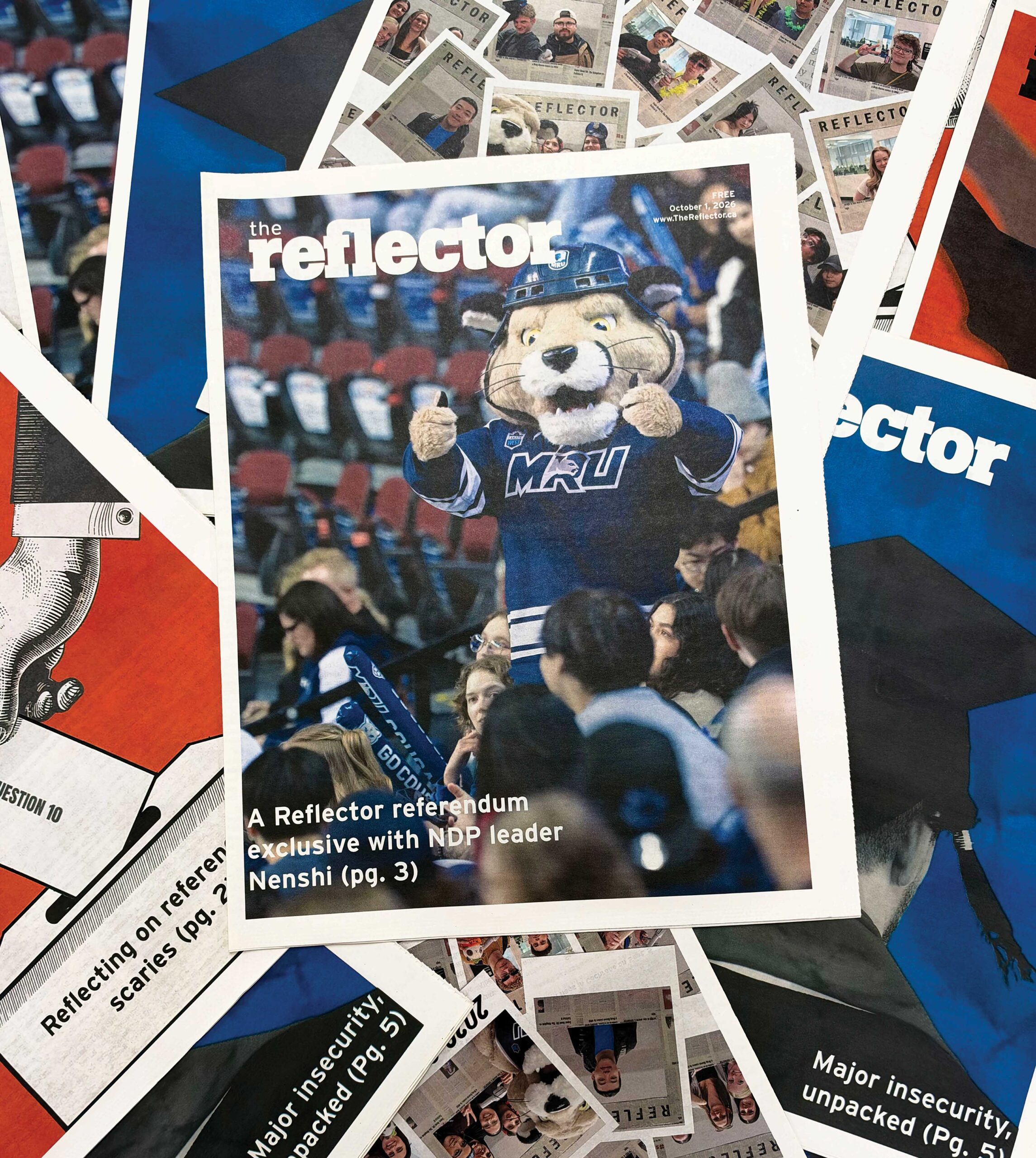
The Reflector, MRU’s student-run independent news outlet,
was first established in 1962. Photo by Serena Kanji-Ramji


