
The most expensive yet shallow Wuthering Heights adaptation
Avarie Mckinnon-Forgeron, Staff Writer
The recent film adaptation of Wuthering Heights, based on the classic novel by Emily Brontë, was released on Feb. 13. Directed by Emerald Fennell, the adaptation has received a lot of criticism.
The film follows Heathcliff and Catherine, two characters with a complex and emotionally charged bond. The plot highlights the destruction of their relationship as social class, jealousy and revenge drive them apart.
This adaptation took several creative liberties, including modernised costumes, tone and changing elements of the novel’s storyline, which left many fans disappointed with the film’s unorthodox interpretation of the novel.
While it is understandable that aspects of a 19th-century novel would be adapted to appeal to a modern audience, the creative liberties taken by the film detract from its overall appeal and depth.
The most controversial change in the film is the casting of Heathcliff. While the novel openly suggests that Heathcliff is a person of colour, Fennell chose a different path, casting Jacob Elordi in the role.
This choice reflects the film’s lack of exploration of the novel’s commentary on social hierarchies and prejudice. The film fails to meaningfully explore the social aspects addressed in the novel, which diminishes the overall depth of the plot.
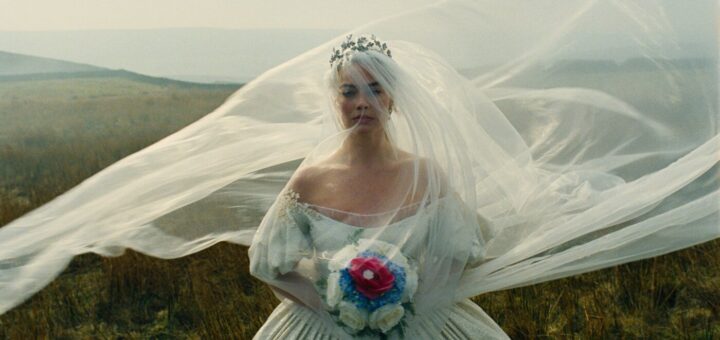
However, the film’s strengths are found in the visual setting, cinematography and colour scheme. The desolate landscapes and dark interiors create an isolated atmosphere reflecting on the character’s emotional turmoil.
This environment of disorientation is representative of the internal conflict Catherine and Heathcliff face in their relationship. The cinematography emphasises a harsh environment that reinforces that the characters are trapped not only by their circumstances, but also by their obsessions.
Despite this strong visual foundation, the storytelling is somewhat rushed and shallow.
In the novel, the bond between Heathcliff and Catherine is formed by trauma and social exclusion. The film undermines this element with a lack of cohesiveness in character development.
The key emotional developments between Heathcliff and Catherine appear immature, abrupt and shallow. Due to this lack of depth, the film is unable to explore the emotional state of the characters, which weakens the impact of their tragic relationship in the plot.
The characters are meant to be deeply flawed. However, this adaptation inaccurately positions Catherine as the primary antagonist, while in the original novel, Heathcliff is equally an antagonistic force.
In the novel, Heathcliff’s pursuit of revenge and growing anger lead him to lose all his empathy. Instead, this adaptation exaggerates the gentler romantic aspects of the original narrative, undermining Heathcliff’s cruelty.
Because the film overlooks the darker dimensions of Heathcliff’s character, integral elements of the narrative are lost, including themes of generational trauma and reflections on the psychological damage caused by oppressive social systems.
While this made the novel a complex and compelling read, the film adaptation addresses these themes shallowly.
And while the novel was written to expose patterns of manipulation and abuse, this adaptation softens these themes, superficially exploring the deterioration of Heathcliff’s character and undermining the eventual destruction he willingly provokes.
Above all, Wuthering Heights is not a romance novel — the book explores the effects of class, racial injustice and abuse on Catherine and Heathcliff’s relationship.
This film adaptation nonetheless emphasises stylistic elements and exaggerates the romantic relationship between Catherine and Heathcliff. This was most likely a poor choice made to increase engagement from viewers, rather than portray the more complex aspects of the novel.
Overall, this adaptation lacked the ability to modernise the plot and maintain the original depth from the novel.
Concerning the modern state of storytelling, this adaptation serves as a lesson — classics are meant to remain in the period they were written, serving as reminders of history and literary influence. Modernising these narratives makes it so the meaning is lost, as was the case in this adaptation of Wuthering Heights.