
Japanese market celebrates culture and tradition at Calgary Sumo Fest
Ava Morrison, Contributor
Calgary’s first Sumo Fest featured live wrestling, a Japanese market, bonsai trees, traditional Japanese goods, and a wide variety of Japanese foods.
For local vendors, the market is more than just a place to sell goods—it’s a chance to share their traditions and culture with the city.
Nicole, the owner of Jewel Aura Studio, sells jewelry made from natural gemstones infused with energy. She says the market is less about selling products and more about sharing a personal connection to culture.
“We specialise in handcrafted jewelry made from energy-infused gemstones,” says Nicole. “Each piece has a story, and I love explaining it to people. It’s a way to share something meaningful, not just an object.”
Nicole says that joining the market helped her bond her business to her personal heritage.
“I come from an Asian country, so I value culture a lot,” she says. “Participating here allows me to contribute to the celebration of that culture in Calgary and show people why these traditions matter.”

Arnold stands behind his Stone & Earth booth at Calgarys Japenese Market. He sells bracelets made from wood and stone imported from Japan. Photo by: Ava Morrison
The market was lively as visitors moved from stall to stall, admiring goods. For many vendors, it was a chance to share handmade products and the meanings behind them. The combination of handcrafted items, colourful decorations, and the scent of festival foods fostered a vibrant energy that drew people in.
Arnold Yu sold bracelets made from wood and stone imported from Japan. He says each piece combines traditional materials with modern designs, and the market allows him to share the meanings behind his products.
“We are selling wood and stone imported from Japan,” he says. “They are made into bracelets with different styles, but they all look incredible. It’s important people see where the materials come from and the care that goes into each piece.”
Yu says that participating in the market was a chance to get to know the community and experience the festival.
“This is the first Sumo Fest in Calgary,” says Yu. “Being part of it as a vendor is exciting. I also get to enjoy the show and meet people who are curious about Japanese culture.”
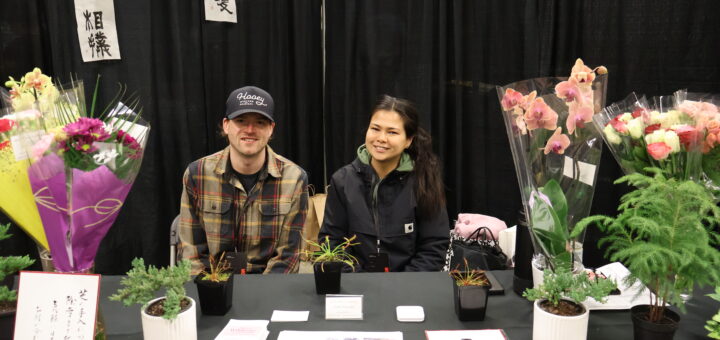
Erika, who represented Alberta Wildrose Landscaping, brought bonsai trees and Japanese-inspired landscaping designs. She says her work gives people a hands-on way to appreciate Japanese traditions and culture.
“We’re selling bonsai trees and doing installations inspired by Japanese Culture,” she says. “People get to see the artistry involved and learn a bit about the care these trees need.”
Erika says the festival was especially important to her because of her own heritage.
“I’m personally Japanese,” she says. “Sharing these traditions with Calgary residents makes the market more than just a sale; it’s a way to connect, educate, and celebrate culture.”
The market also offered food such as takoyaki, okonomiyaki, mochi, and other Japanese dishes.
“Visitors are drawn not just to the items, but to the experience,” says Nicole. “Seeing the food, hearing the music, walking through the stalls, it all comes together to make people feel like they’re part of the culture.”
“It’s about more than what we sell. It’s about giving people a chance to experience Japan in Calgary. That’s what makes this festival so special,” says Arnold.
For vendors, the market was an opportunity to share the meaning behind their work, while visitors enjoyed the traditional goods. With all of these things combined, the market created a space where culture could be experienced, celebrated and appreciated right in the heart of Calgary.