OPINION: Why society should bring empathy over fascination concerning crime
Acacia Carol, Layout Editor
Kylie Smith. Abel Mwansa. Zoey Benoit. Ticaria Lampert. Ezekiel Schofield. Shannda Aviugana-Durand. Jennifer Jacobs. Emmett Jacobs.
On Feb. 12, 2026, a shooter ended the lives of each person mentioned above. The community of Tumbler Ridge is mourning a significant loss. It’s my opinion that during moments of communal grief and tragedy, it becomes more important than ever to focus on remembering those who are gone.
However, I was disheartened to see that the public has spotlighted the Tumbler Ridge shootings in the same way that many tragedies often are. Discussing who the shooter was, their family drama and the way they conducted themselves online have taken precedence over stories about the eight victims.
Our fascination with the underlying causes of crime isn’t new—From Shakespeare’s Hamlet to Agatha Christie’s Murder on the Orient Express, crime fascinates us. No more so than when we can attach that ever-so lurid label of “based on a true story.”
This often pushes the people most harmed by an individual’s actions to a footnote.
Our curiosity isn’t harmless. Instead, it feeds into a multibillion-dollar true-crime industry that funds podcasts, movies, and limited-run TV series. And, most often, our curiosity comes at the expense of victims, their families, and survivors.
Feeding a pulpy machine
Despite the success of Monster – The Jeffrey Dahmer Story, the limited time series faced criticism for the ways it seemed content to invoke the names of real-life victims, only to then cast off any connection to the real and vibrant person who was murdered.
Monster is just one example of modern-day true crime sensationalising the victims for entertainment purposes. Podcasts like the aptly-named My Favourite Murder, or tv shows like Dateline have come under fire for their insensitive treatment of victims, their lives and more worringly, their deaths.
And more often than not, the laissez-faire approach to true crime often hits too close to home for community members. The impact isn’t limited to just families and friends.
I would say Canadians, but those of us here in the west, especially, remember the bus crash that killed 16 and injured 13. During a time when many people were looking for answers, a place to grieve, what often took precedent was the question “how could this happen?”
Which, of course, morphed into, “who caused this?”
I mention the Humboldt Broncos not only because they are a recent Canadian tragedy. Rather, I bring them up because their stories, that trauma, will join the aforementioned ranks of having their trauma made into spectacle.
An untitled project from Shawn Levy’s production company, 21 Laps, will produce a show about a small, hockey-centric community that is wrecked by the loss of their players and coach after a bus crash takes their lives.
Sounds familiar? Well, despite Netflix’s claims in a statement to CBC that the show is not inspired by real-life events, family and community members of the Broncos still find the similarities too close for comfort.
With disgust, I’m reminded of the Kurt Vonnegut quote, lamenting that in our modern age, if you die horribly on TV, it will not have been in vain. “You will have entertained us,” he wrote.
In these fictional scenarios, where names are replaced with sound-alikes and moments of intense pain and suffering are set against tear-jerking, evocative instrumentals, it’s easy to forget what really happened.
That separation makes us comfortable. Far too comfortable. Comfortable enough, that when a family loses their child, we do not ask to know more about who was lost, but rather, we focus too intently on who took them.
Yes, the media and the true crime industry are partially to blame for our desensitisation. But do we not also bear responsibility for analysing our personal curiosities and machinations?
Tumbler Ridge
This is where I see the writing on the wall with the shooter involved in the 2026 Tumbler Ridge shootings. I will not be referring to this individual by name, simply because I don’t wish to.
In a significant number of personal conversations I’ve had with others about the Tumbler Ridge shootings, the shooter’s gender identity comes up. To which I say, why is it relevant? It doesn’t undo the harm.
If you can only name two facts about this case, one of them is the gender of the perpetrator, and the other is their name. You are only participating in sensationalism, and I have no interest in following suit.
It’s not abnormal to wonder. But why is your idle speculation about motives, identity and larger consequences worth more than the peace these families desperately need?
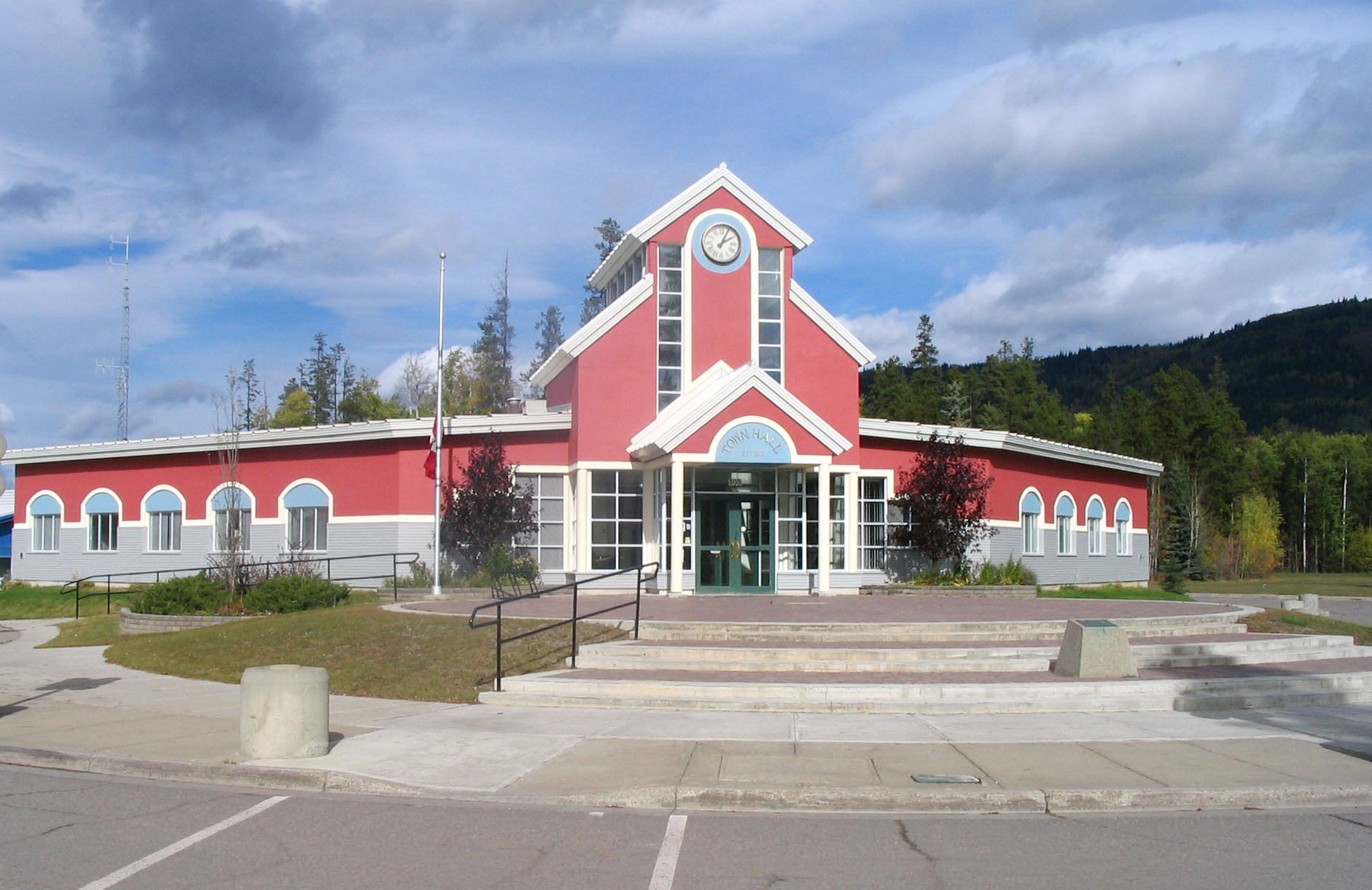
Both Prime Minister Mark Carney and UCP leader
Pierre Poilievre paid their respects in Tumbler Ridge
following the shooting. Photo courtesy of Wikimedia
Commons
As you analyse footage and old social media presence to build motives and narratives that only serve to feed your own guesswork, Maya Gebala, a victim of the Tumbler Ridge shooting, is fighting for her life in the hospital.
It’s my hope that one day we can find a balance in the media. A balance that answers the questions a tragedy might raise, while still respecting the real-life people who have been impacted. But that change can only really begin when we stop focusing on “how could this happen” and shift it to “who did this happen to?”