
The value of documenting university life
Katrina Ebuenga, Staff Writer
Is the university party scene faltering, or are the expectations for university life too far out of reach?
As colder weather snaps back on campus, students may be more inclined to bring the party indoors. However, one thing that remains the same is the role social media plays in documenting and promoting campus life.
Whether it is sharing photos of the past month or sending an instantaneous video to the group chat, capturing these moments has become a ritual of campus life.
But how do you decide which moments are worthy of sharing on social media?
Say cheese!
Constant connection to social media fabricates the idea that university life should be filled with large and even disorderly social gatherings, and as much as that may be true for some, it lays a veneer over the university experience.
As a result, the desire to keep up with the trends surrounding university life creates a chase for students to find the next exciting experience the algorithm says they are supposed to have.
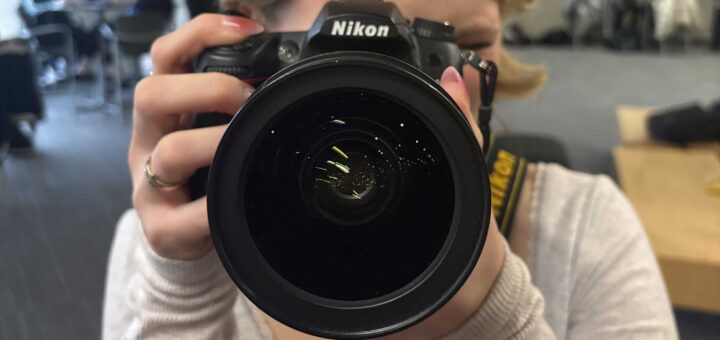
This may be why trends involving compact and digital cameras have continued to gain popularity over the last few years, which goes hand in hand with how students document their lives on social media.
In a data report from Petal Pixel, compact camera shipments have increased for two consecutive years for the first time in nearly two decades. A tool that never goes out of style, the pocket-sized camera is able to encapsulate timeless memories during a time of constant change.
Not only is the functionality of the camera reduced to one purpose — to take a photo — but it also delays seeing the result. For university students who are always on the go, digital cameras force them to slow down and enjoy the authenticity of the moment.
Despite camera sales slightly dropping below last year’s report, as provided by Digital Camera World, Hillary K. Grigonis suggested there has been increased interest in compact and bridge cameras, “reaching 115.3 per cent of the previous year’s numbers.”
As the older style of film and photography creates a nostalgia that is tangible for many, the limited storage results in thoughtful evidence of the night shared between friends.
People are buying, but where’s the value?
When taking a photo on a digital or compact camera, there is an added care and process to getting the right shot that encapsulates the entire night within one or two photos.
However, as this trend blooms, the Xaverian Weekly suggests that scrolling through Instagram has become a constant string of digital camera photos, which feature experiences that are not quite so analogue as people would like to believe.
As this common trend grows and becomes too popular, it starts to lose its own value.
With social media shaping our perceptions of how life should be lived, scrolling through what seems to be endless photo dumps only adds to the expectations of what campus life should and should not look like.
As a university strives to create communities on campus, being able to have physical forms of those shared life experiences with friends increases the value of life on campus.
But at what point is the constant presence of university life on social media creating fear of missing out for students, rather than creating opportunities for students to make memories?
Say hello to FOMO
While the exposure of good moments on campus certainly serves a purpose, much of it produces the notion that every day is and should be exciting, especially for students who feel they need to engage in constant visibility on social media.
The nostalgic photos or short clips of silly moments shared with friends should be the most important element captured through photography or videography for university students.
However, the appeal towards documentation through digital cameras creates a paradoxical effect, which has students experiencing a loss of connection and distorted expectations of university life through social media.
For students, these moments now boil down to the intention of the photo and how they post it on social media.
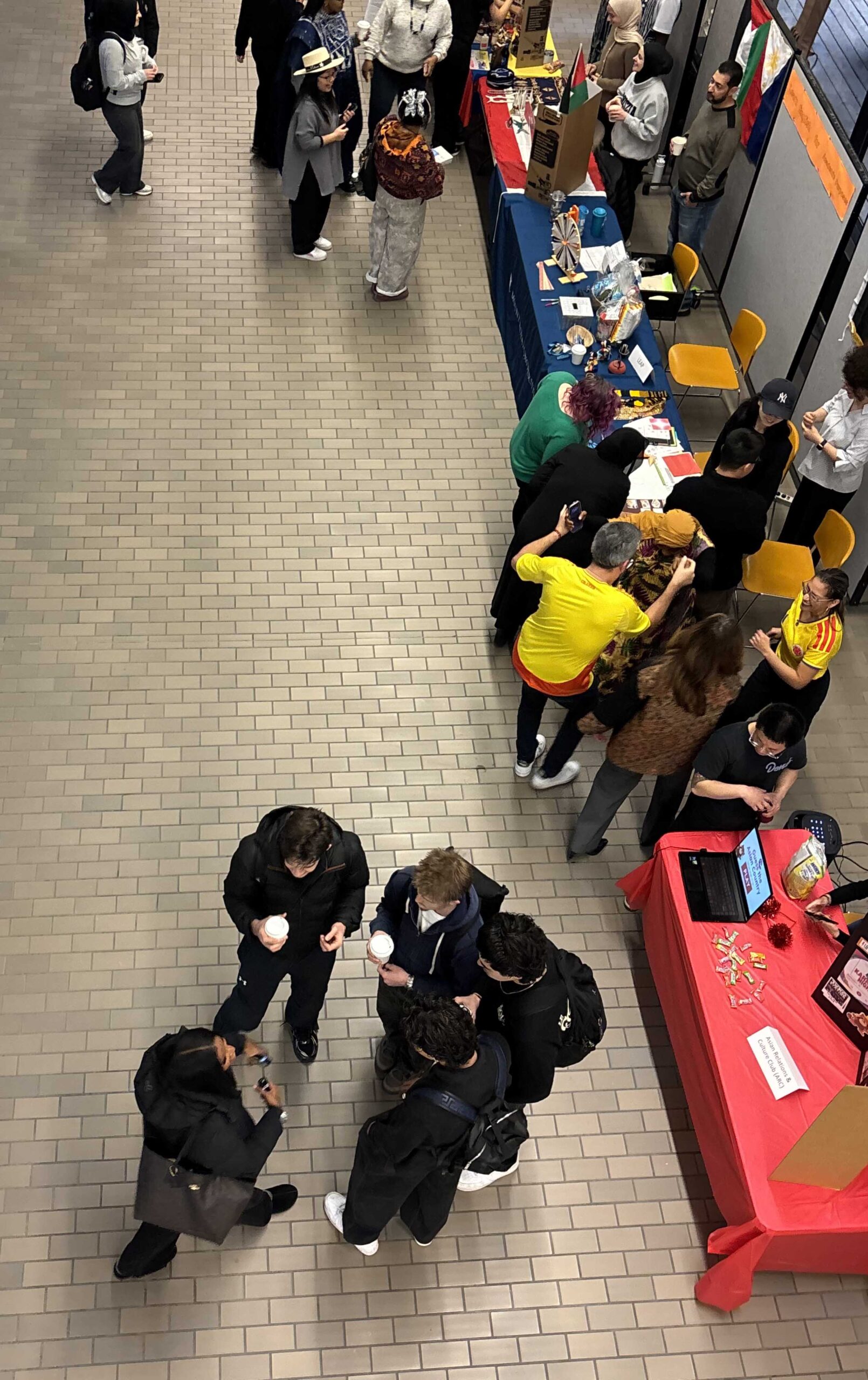
As social media shapes perceptions of university life,
students look to one another for real connection on campus.
Photo by Emma Voelpel