
Critically examining One Battle After Another
Avarie McKinnon-Forgeron, Contributor
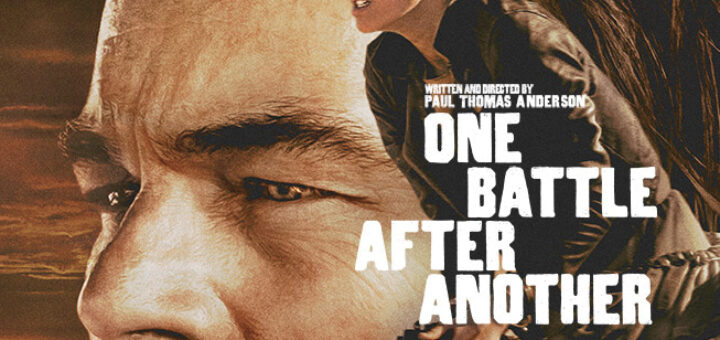
One Battle After Another was released on Sept. 26, directed by Paul Thomas Anderson. This film received high praise from audiences and critics, with some viewers going as far as to say the film is the first blockbuster movie of the year.
The film begins in the past, showing the protagonist, Bob, and his partner, Perfidia, as part of a revolutionary group known as the French 75. Throughout the first part of the movie, they organise and execute raids of government facilities.
When Perfidia becomes pregnant, however, she refuses to leave behind their life of crime. The movie then jumps to the present, 16 years later, and follows Bob’s new life in hiding. It is not long, though, before the past he left behind catches up to him, when his old enemy, Colonel Lockjaw, reemerges.
Political Message
This movie uses personal relationships to portray the dynamics within revolutionary groups. Instead of directly addressing the political issues the movie is focused on, Anderson used the characteristics of the leaders of the French 75 and the military to convey the message.
What sets the film apart is that it did not preach a certain political ideology to audiences. Each leader was equally important in continuing the conflict of the story, and each leader was equally selfish.
This perspective was impressive as many directors and writers have often run into issues maintaining complete neutrality within films. The tone of the film thus added to its overall appeal, which concentrated on the flaws of both groups.
Tyranny versus anarchy
The film explores the inherent conflict between disorder and control of the state. The film highlights the ongoing conflict between tyranny and anarchy within the United States, which was found to be most prominent during the 1960s.
The film critiques both ideologies by exploring the underlying mechanisms that control the thought process for the leaders of each organisation.
Through his characters’ development, Anderson reveals that the ultimate objective of each leader is to obtain more power and control. This purpose added to the film’s overall cohesiveness, as there was one antagonist but not every protagonist had a perfect conscience.
Modern day relevance
Anderson alluded to a prominent modern day issue in the United States: the immigration crisis and detention centers, which are being used to keep control of the state.
The French 75 attacks one of these detention centers in the film, taking control of the facility. This is an important element in the film as it highlights the wedge which continues to grow between the far right and left within the United States.
When this issue was at an ultimate high in the 1960s, there were multiple revolutionary groups. The far left anti-establishment movement was detrimental to the control of the state and was thus sought to be undermined by the authorities. During this time, multiple people who were not violent were killed by the state in the chance that they would act violently.
Therefore, this film emphasises the importance of extremism in driving separation and also the ways in which this extremism is reinforced and promoted by each individual.
Stylistic elements
The film conveys themes by using shots that increase suspense for the audience. Many scenes throughout the film were masterful in creating a sense of tension and constant surveillance by authorities.
These elements, accompanied by the comedy in the movie, made viewers feel unsure of what was to come next. This was a great technique Anderson invoked in the film and subsequently used his masterful style excellently.
One Battle After Another reinvents the action genre as we know it, linking cultural significance with political opposition. The film develops depth in content and message, while having cinematic elements alike to action films.


