
Sunshine, lollipops and heaps of trash
Noah Mulhern, Contributor
A fire still burns at ECCO Recycling and Energy Corporation’s Calgary facility, landfills are causing problems, and Alberta is trying to retaliate with recycling programs. Starting Oct.1, Alberta is launching North America’s first solar panel recycling program.
Calgary is the sunniest city in Alberta with 333 days of sunlight a year. It’s an ideal location for solar energy, and it’s already becoming more mainstream. Prices went down by 93 per cent between 2010 and 2020. Alberta produces 3,800 megawatts of wind and solar energy and has the second-largest solar capacity in the country.
Sun power, silent end
By 2045, over 95 per cent of the solar panels currently installed in Alberta will reach the end of their lives. It’s estimated that over 72,000 tonnes of waste will be generated.
The materials within the solar panels — like silicon, aluminium, glass, silver and copper will be collected and used for new products rather than buried under heaps of garbage.
“Responsible solar energy growth means considering environmental responsibility throughout its lifecycle. By planning ahead to ensure expired panels are properly collected, and materials are reused where possible, we’re protecting taxpayers from future cleanup costs and keeping power affordable and sustainable for generations to come,” said Minister of Affordability and Utilities RJ Sigurdson in a press release.
Starting Oct. 1, each solar panel comes with a $14 environmental fee. The fee ensures that when the panels begin to reach the end of their lives, transport and removal will be provided. It also ensures that Albertans decades from now are not stuck paying the bills.
No retroactive fees will apply to solar panels installed before Oct. 1. The fee applies to all residential, commercial, and industrial solar panels that are 1 square meter or larger.
Recycling programs
Alberta has an abundance of recycling programs to help with the amount of waste we put into landfills.
Too Good to Waste is a waste management strategy that began in 2007. It provides a framework for the next two decades of recycling programs and environmental conservation. One of the proposed outcomes of Too Good to Waste is the development of resource recovery and waste management systems.
The Alberta Recycling Management Authority first began an electronic recycling program in 2004. Since then, the program has expanded to accept more than 500 materials not present when it began. The program has enabled the recycling of over 290,156 tonnes of electronic waste since its launch.
“We’re not just focused on what Albertans want to recycle today, but also what they are going to want to recycle 20 years from now,” says Rebecca Schulz, Minister of Environment and Protected Areas.
Environmental fees also apply to new electronics and range from $0.30 to $2.75. Albertans can drop off electronics at any of the 365 recycling centres across the province.
ARMA and the government of Alberta plan to create a province-wide renewable energy recycling program.
In June 2023, Quebec launched North America’s first electric vehicle battery recovery program. The program later expanded to the rest of Canada with the help of Call2Recycle Canada Inc.
There are currently no designated programs for wind turbines, which are made of primarily recyclable materials and include electrical components that can be recycled.
ECCO fire
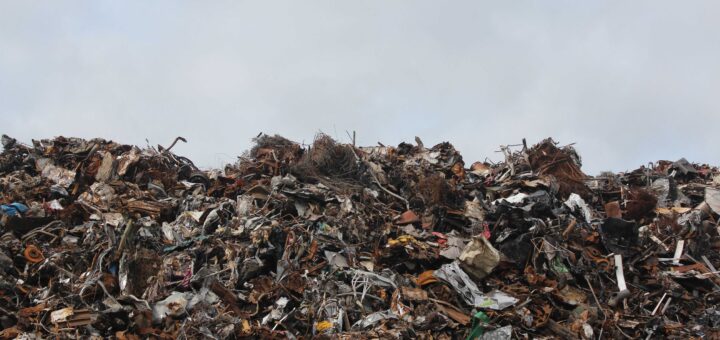
ECCO Recycling and Energy Corporation continues to wrestle with the fires in their Calgary facility. There is currently no timeline for putting out the fire. Crews are facing major setbacks due to deep voids in the piles of garbage.
Soil and clay are being used to smother the fire. Crews are also using heavy equipment to compact material, reduce void spaces and limit air and smoke.
Alberta Environment and Protected Areas is conducting additional air quality monitoring due to smoke and fumes from the fire.
Carbon monoxide, fine particulate matter, hydrogen sulphide and total reduced sulphur, nitrogen dioxide, ozone and sulfur dioxide are taken into account in Alberta’s air quality index.
City of Calgary water services are monitoring water quality and managing runoff. Crews are pumping runoff from the ECCO landfill into wastewater systems, allowing it to be filtered before it returns to the river.
The cause of the fire remains under investigation.