
A wild September at Calgary Zoo
Nadoo Abaagu,
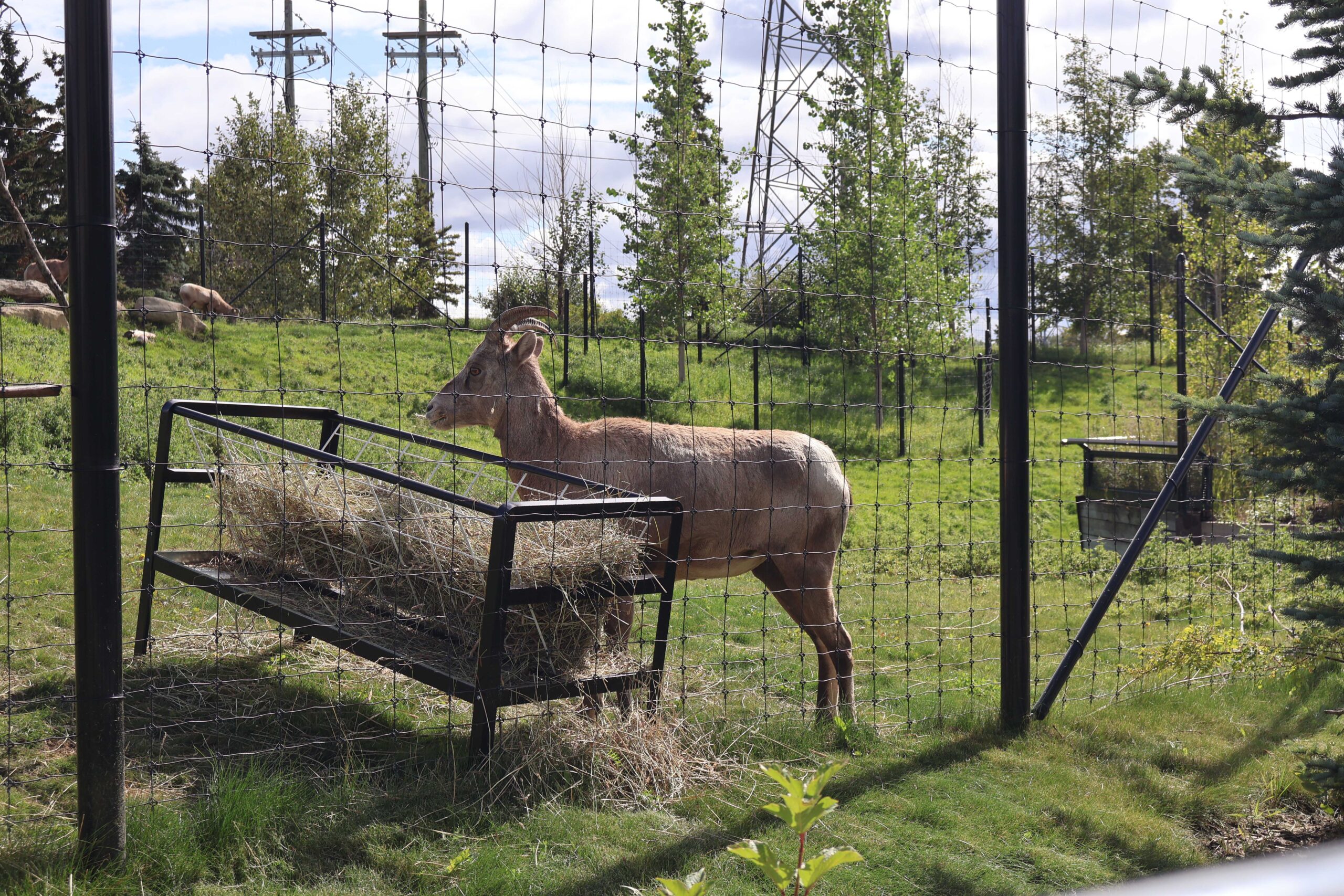
A look at the bighorn sheep, located in the Wild Canada
habitat at the Calgary Zoo. Photo by Nadoo Abaagu
The Calgary Zoo celebrated September with many conservation-focused events. They say their work helps to educate the public and protect Alberta’s precious wildlife and parklands.
Every September, the Wilder Institute’s Calgary Zoo hosts several conservation-themed events. These include the Alberta Biodiversity Festival, Teddy Bear Clinics, and the Fall Garden Globes Dinner. The zoo says these events help educate the public about nature in their own backyard.
A look into the ‘wild’
The Alberta Biodiversity Festival took place from Sept. 11 to 13. In partnership with the Government of Alberta and the Bow Habitat Station, the zoo created a weekend of fun around Alberta’s diverse nature.
The festival explored Alberta’s wetlands, prairies, and forests. It focused on industries like fishing and logging and, most importantly, highlighted Alberta wildlife. From bears to moose to hatchling fish, the festival invited kids and adults to cherish the nature of their province.
After that, the Zoo held two Garden Globes dinners on the 25th and 26th. These events took visitors through a nighttime tour of the zoo and a private dining experience under the stars.
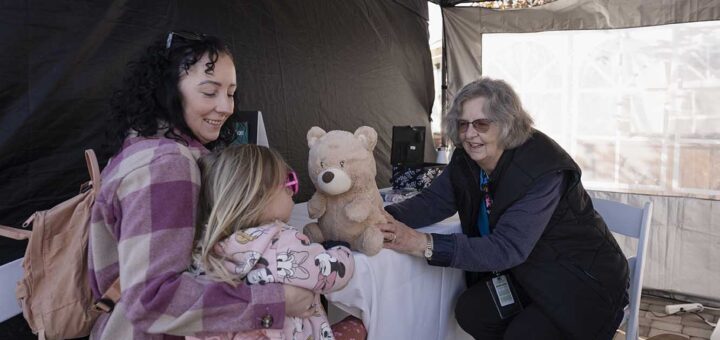
Lastly, the month ended with a Teddy Bear Clinic. Kids brought their stuffed animals for premium medical treatment at the zoo. It was a patchwork event that educated kids about human and animal health.
Conservation beyond the gates
All admission to the Calgary Zoo contributes to the Wilder Institute’s conservation work, but the Zoo’s various themed events are a dual opportunity for learning and public education.
“The purpose behind it is we want people to know what’s in their own backyard and what is in Alberta. So that they will be more inclined to learn more about what is there and take care of Alberta, so that we have these habitats and these species for [the] future,” said Gillian Cardwell, the manager of special experiences at the Calgary Zoo.
The Calgary Zoo has been running events like these for a long time. Cardwell has been working at the zoo for 35 years and says she can not remember a time when they did not exist.
Some of these events are relatively new, like the Alberta Biodiversity Festival, which is in its fifth year, but Cardwell says it’s been a steady evolution.
The essential ethos behind the zoo’s conservation-themed events is education. What Cardwell calls being a “good zoo.”
Zoos are fun attractions, opportunities to see extraordinary wildlife, but first and foremost, they are scientific institutions dedicated to conservation and animal welfare.
Good care shows
In an article on the benefits of zoos, the Association of Zoos and Aquariums spoke of their ability to rehabilitate wildlife, help restore endangered species, and fund ecosystem repair.
For Cardwell, what makes a good zoo is the ability to inspire people to love wildlife.
“I’m really proud of the stuff that we have done and the programs that we’ve done in order to get people to understand what a good zoo is, what our purpose is,” said Cardwell.
“It’s not just about a zoo; it’s about caring for nature. And this is just one way to learn about how to do that and how to care and to get inspired.”
Good zoos are really needed right now, especially in Canada.
Loss outpaces recovery
According to Canada’s 2030 Nature Strategy, the scale of biodiversity loss in and around urban and developed areas is extreme. Wetlands, prairies, and bodies of water are threatened by careless human interactions, and so is their wildlife.
The Species at Risk Act, established in 2002, tracks endangered, extirpated, or threatened plant and wildlife species. As of December 2024, 671 plant and animal species are at risk in Canada.
On the world stage, life looks similar. Nature is deteriorating, unable to support the immense extraction by human beings. Biodiversity is degrading due to a range of factors, from climate change to pollution.
Amid this, Canada is a cornerstone.
It is the second-largest country in the world, containing 20 per cent of the world’s fresh water. With its boreal forests and wetlands, it is also an essential carbon sink. Canada’s importance extends beyond its borders.
In its Canada Action Plan, the Wilder Institute is focusing on more than 200 species in need of conservation and protection. Their plan of action includes research, applied conservation, and species recovery.
But one still important avenue is the Calgary Zoo.
“Where connection inspires action,” as the Wilder Institute describes it.
Zoos teach us to love our wildlife and, better yet, to protect it.
“In order to really love something and want to conserve it or take care of it, you have to understand what it is, and know more about it,” said Cardwell.
“And really, the purpose of a zoo is to teach, because if we cannot do anything for our own backyards, if we can’t do anything to conserve habitats and species, what is our reason for being here?”


