
Queering country
Lacey Holowaty, Contributor
Robert Adam comes from a background that is all too familiar to many rural-born queer people.
A prairie landscape on a worn canvas, decorated with conservative religious imagery and painted to the tune of a country song.
Growing up in Bonnyville, Alta., Adam felt like they couldn’t escape country music. They grew indifferent to it, as if it were a reminder of days spent singing in a church chorus that was anything but unifying.
Unlike their peers, who were quite comfortable in the oil- and gas-motivated environment, Adam considered themselves more creative and introspective. Even the expectations for men were very different from who they felt they naturally were.
They felt like they were from a completely different world.
“I had so many questions that really didn’t have answers,” Adam says.
Adam began writing music at the early age of 12, and through their songwriting, they began to make sense of the conformist world around them. To this day, Adam uses songwriting as an outlet to process their emotions and the world around them. They also find inspiration in writing about unexpectedly profound people.
“We can take a profound thing from the elderly lady who lives next door, or the nurse at the local hospital,” they explain.
Adam didn’t start writing country music until their 20s, shortly after Kacey Musgraves’ “Follow Your Arrow” became a major country hit in 2013. In the song, Musgraves sings about the importance of following your heart, even if that means going against the status quo.
“I think I was running away from my origins as a person,” they say. “I felt very much that Alberta did not love me, and neither did the home that I came from.”
But as they got older, they realised that their rural origins would always be part of who they were, for better or worse. They began writing country music while living in Ontario to remedy their homesickness.
Adam released their first EP, titled Prairie Gold, in 2017. In the opening track, “Rocky Mountain Lot,” they sing about their dreams of living a simple life in the countryside.
Many singles later, Adam eventually released their debut LP, Governed By The Seasons, last October.
According to Adam, the title refers to how daily life in rural communities is heavily influenced by the time of year, and how the concept of change itself can be very difficult for some to deal with.
“I feel like, the faster we learn how to adapt and respect change as a natural part of life, the easier life becomes,” they explain. “Yet it’s so hard to accept.”
Adam wrote the song “Oh Jesus” as they were beginning to leave the Christian faith because of moral contradictions. They didn’t agree with the church’s insistence on only helping certain types of people. To Adam, Jesus’ core message was to help anyone in need, especially those who are cast out for any reason.
“I don’t think they do that or really pay attention to what Jesus said at all, to be honest,” Adam says.
They said the purpose of the song isn’t to condemn people, but to shed light on what they had been seeing in Christian churches across North America.
The song earned them a nomination for Songwriter of the Year at this year’s YYC Music Awards, and Adam explains that the nomination meant a lot to them, especially given the tension that comes with being a queer country artist.
Adam adds that they were disappointed by the Canadian Country Music Awards’ nominee list this year, particularly due to how “straight-white-male-dominated” it was.
“They’re really not bothering with, you know, nominating queer people at all,” they say.
Adam says it’s important to have queer representation in the country genre. They explain how many queer people are just like them in rural areas, and that queer people have always been a part of rural culture and history—but unfortunately, many rural queer folk might not have had the chance to come out because of harmful, community-wide beliefs.
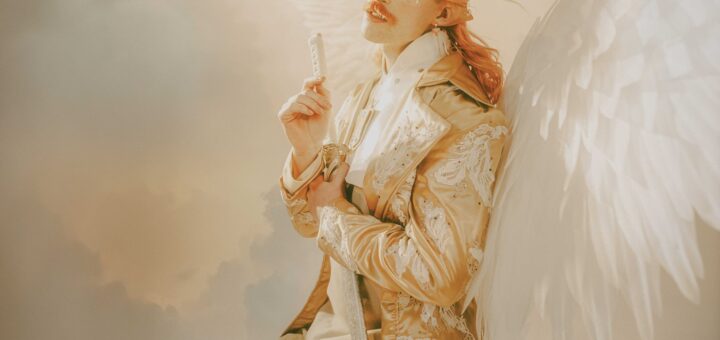
Adam is the self-proclaimed “Dream Angel Cowboy of Canada”—a title derived from Adam’s love of magical girl anime, a popular Japanese animation subgenre, when they were younger. They felt inspired by the “magical girl attitude” of fostering warmth and kindness in their community.
“I really feel like it’s my role as a musician to inspire people and guide them through emotions that they might not normally feel, or connect with people in a way that maybe they haven’t felt in a long time,” they say.
Adam also says it’s important to nurture their community because of how isolated they feel their generation is.
And don’t expect Adam to walk out in a traditional country artist’s uniform of a button-down and Wranglers. While on stage, Adam presents an ethereal image often accompanied by grandiose angel wings and plenty of glitter, and they still incorporate their country roots in a way that is cohesive and complementary.
In 2025, Adam had the opportunity to go on tour in Japan–a seemingly unlikely place for a country artist to develop a fanbase. But they say the favourite moments of their life have come from their time there.
“In Japan, they don’t care why I’m playing country music,” Adam says. “They’re just there to hear music and connect with it.”
John Denver’s hit country anthem, “Take Me Home, Country Roads,” played a main thematic role in the famous Japanese animated film, Whisper of the Heart. The film featured a Japanese cover of the song, which Adam performed at each of their tour shows. It gave them a profound opportunity to connect with people from such a seemingly different culture.
“Our native languages are not the same, but here we are singing a version of a country song I grew up with,” Adam says. “It transcended so many boundaries. It was so amazing, honestly.”
Much like John Denver’s international hit, their dream of a rocky mountain lot is not restricted to the Albertan countryside. Adam enjoyed their time in Japan so much that they decided to apply to live there next year after they finish their master’s in psychology.
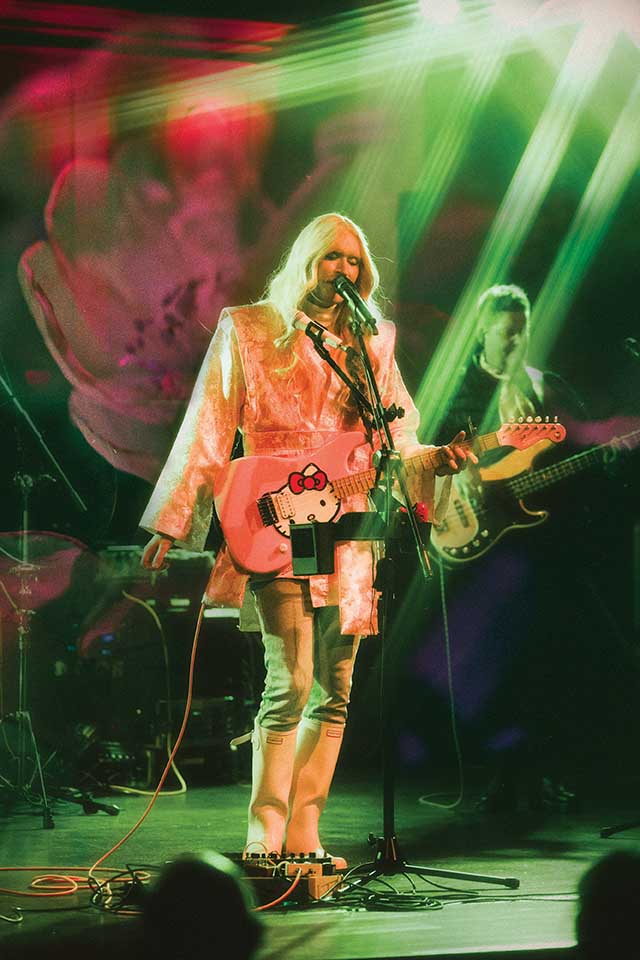
Robert Adam released their debut album, Governed by the
Seasons, in October 2025. Photo by Brandynn L.P.

