Is Banff tourism getting out of hand?
Emma Voelpel, Features Editor
The millions of visitors that prop up Banff’s economy are now testing the limits of the environment of the town and national park itself.
The overtourism phenomena
Banff National Park continues to see an annual increase in visitation every year. In 2025, the park broke its record with a whopping 4.5 million people visiting the Rockies.
The Skijoring event in Banff in January 2026 stretched the town’s resources thin, with congested traffic, illegal parking, and a slew of public safety concerns. The chaos of the show led the town to cancel future Skijoring events in the park.
Reno Sommerhalder, a bear specialist and conservationist, has been living in the Rockies for 40 years and has witnessed firsthand the influence of the tourism industry in the park.
“Even a few years ago you were able to drive up to Lake Louise or Moraine Lake and didn’t have to wait in line,” he says.
The constant influx of people makes it so things like going grocery shopping, grabbing a coffee, or dining out become almost impossible for a local.
Daniel Rudel, a local since 2009 and the host of the “Overheard in Banff” podcast, has faced similar challenges. As a long-term local of the area, he’s also experienced the benefits and drawbacks of living in a tourist location.
“I would never point the finger at tourism as this big bad thing. It’s more so managing it,” he says.
Rudel has noticed that, with tourism as its biggest economic driver, Banff’s infrastructure primarily caters to visitors and short-term residents.
In 2025, Banff had a less than one per cent vacancy rate. This issue was brought up by the town council in 2025, where Coun. Hugh Pettigrew attempted to bid for a capacity-based planning method that would ensure human management within the town’s threshold.
“Housing keeps going up, up, and up,” says Rudel. “When you have other renters that are willing to pay that extra amount, it kind of prices out your long-term locals over a long period of time.”
A fed bear is a dead bear
However, it isn’t just the locals in town who are affected; the animals whose habitats are disturbed are as well.
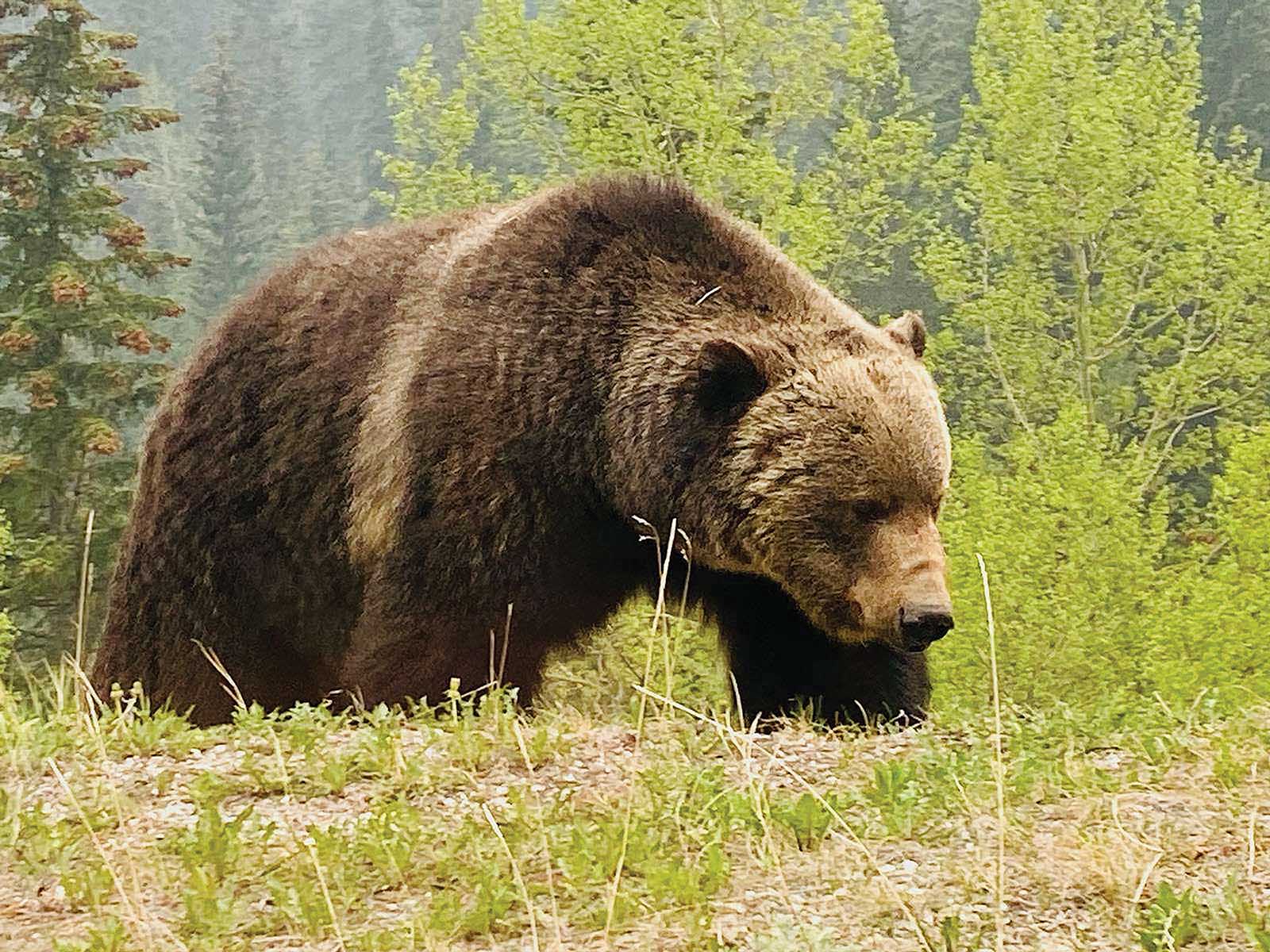
In 2024, a white grizzly bear and her cubs were struck and killed by a car in the Lake Louise area.
The incident raised concerns about how bears and other wildlife should be protected from highways. As a result, mandatory speed limits and no-stopping zones have been implemented on Trans-Canada Highway 1. However, frequent use of the highway still leads to such incidents.
Species that frequent the national park, such as wolverines and grizzly and black bears, are forced to retreat from certain areas as more and more hikers veer off trail.
“Life is hard for the animals here,” says Sommerhalder. “And so by adding more stress by having more people on these trails, it makes it almost impossible for some of these animals to exist.”
Sommerhalder does stress that there are positives to having wildlife be in the presence of humans. The more often bears are around people, the more tolerant they are of people.
Nevertheless, this can lead to issues like people mistakenly giving food to the wildlife.
Human food is highly toxic to wild animals. The food lacks nutrients that are required for wildlife, which results in them becoming malnourished and aggressive, putting both themselves and people at risk of harm.
Feeding wildlife is prohibited by law and enforced by both the national parks and the provincial government. However, this issue persists as visitors continue to leave food and litter for animals.
As for Sommerhalder, he believes the solution is to further restrict some trails to protect habitats.
“We really have to sacrifice our freedom for these animals if we decide we want to have them around in the next several 100 years,” he says.
Can Banff change?
While the national park continues to rely on tourism to keep its economy afloat, it’s unlikely major changes will be implemented.
In spite of that, locals are still calling for big changes to be made for the sake of not only the town, but the wildlife in the surrounding area.
“We have to ask ourselves what a national park is supposed to be,” says Sommerhalder. “Right now, it sure seems the present priority is given to tourism as opposed to ecological integrity.”