OPINION : Gender as the name of the 2026 Winter Olympic Games
Acacia Carol, Layout Editor
The Winter Olympic Games have passed with their usual oompah and a revival of sportsmanlike nationalism. However, something bothered me this Olympics, something that’s been playing underneath our noses for all our lives. Something we see as innate and natural, but that requires intense policing and judgment.
Seriously, what’s going on with gender in the Olympics?
It wasn’t until 1900 that women were allowed to compete in the Olympics, and with 126 years of experience, expectations for female athletes have certainly shifted. In the beginning, there were only a small handful of ‘feminine’ sports women could try their hand at, like tennis.
Compared to the 2016 Olympics in Rio de Janeiro, where 45 per cent of competitors were women, change has happened fast. But that doesn’t mean that female athletes have had the same social opportunities that have long been granted to their male counterparts.
From the recently posted lambasting of the United States women’s hockey team by President Donald Trump, which was weirdly met with laughter by the men’s team, to the disastrous splatfest during the men’s free skate program, I believe that the way we have approached gender and sports in the West was on full display this year.
There was no bullpen where this was more obvious to me than on the ice. If we want to talk about gender in the Olympics, there is no better avenue than figure skating.
Focus on figure skating
To me, American figure skaters Alysa Liu and Amber Glenn were two standout Olympians. Liu returned to figure skating after a hiatus, took home two gold medals and a new personal best score in her free skate program, which was conceivably unheard of until this year. Glenn, the oldest female athlete to compete in figure skating at age 26, also took home gold.
I would argue these are very significant achievements in an extremely gendered field. However, I was disappointed, but not surprised, to see that a significant portion of the conversation around these athletes centred on how they physically present themselves.
During an interview for the podcast My New Favourite Olympian, Glenn’s mother said she often had to cover her arms with mesh while competing because she feared lower scores due to her muscles.
Figure skating, the sport where you famously have to jump, lift, spin, and perform other physically demanding activities, has some interesting ideas about femininity. Men, like Ilia Malinin or ‘Quad God,’ are often praised for their strength and power, while female athletes are often celebrated for being graceful and weightless.
And that’s not just an observation that a few bulky women have made—a qualitative study published in the Women in Sport and Physical Activity Journal observed that many female figure skaters feel pressured to adhere to certain “inflexible body ideals.”
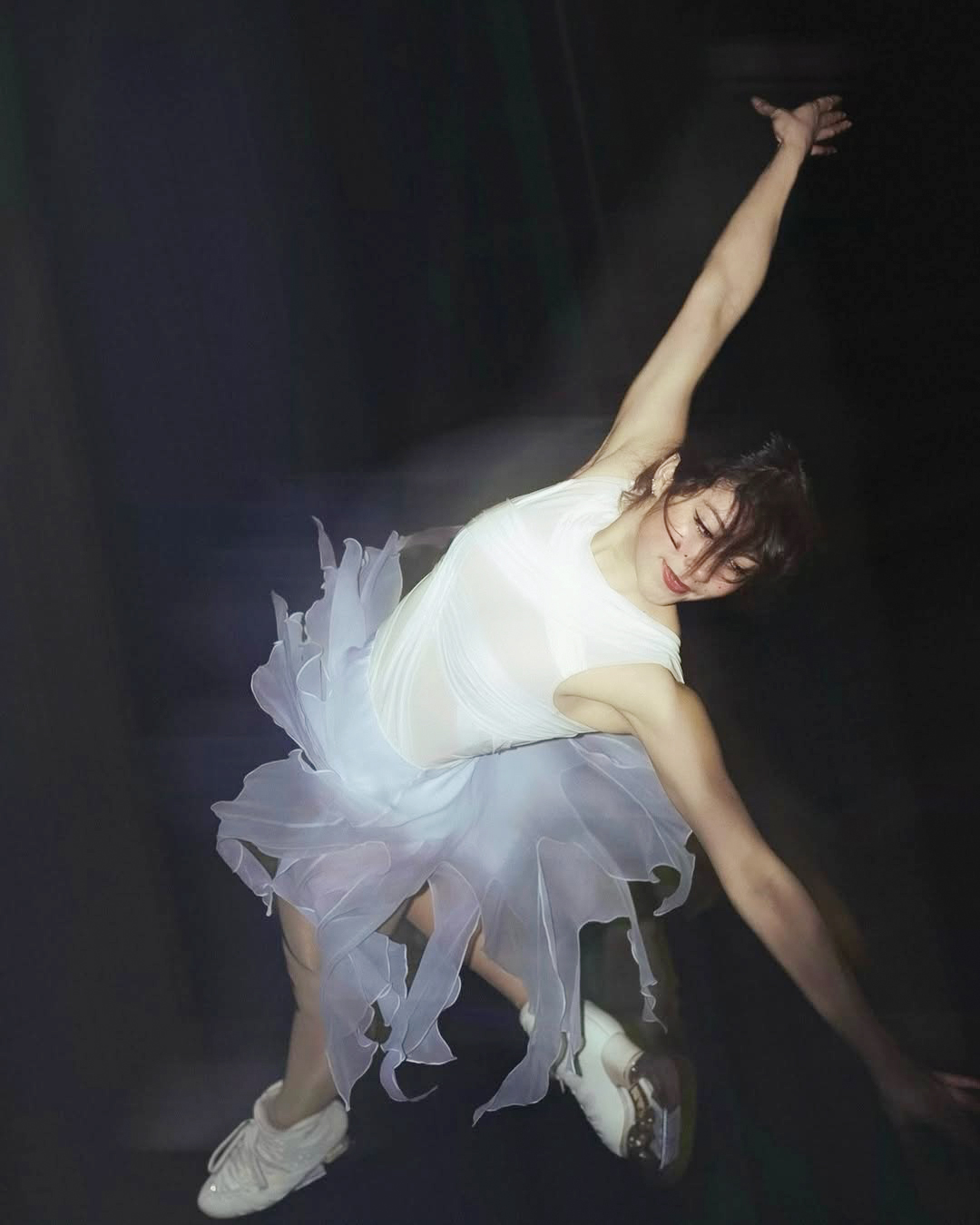
American figure skater Alysa Liu, 20, won two gold
medals at her first Olympic Games. Photo courtesy of
Instagram / @alysaxliu
Although the standard is more flexible, male figure skaters feel this pressure to conform, too, the study continues. However, I would argue that their aspirations to stay lean yet strong still respect their status as elite performance athletes. ‘Quad Gods’ chiselled legs certainly don’t lose him any points—no hiding required.
Even in sports where gender presentation isn’t a factor in scoring, female Olympians have faced discrimination for not fitting into a Eurocentric, thin ideal of femininity. Athletes like heavyweight boxer Imane Khelif and runner Caster Semenya were subject to intense gender speculation at their respective Olympics for not fitting this ideal.
Female athletes’ achievements are consistently downplayed or disregarded, and this year, the politics behind this dismissal cannot be overlooked. From President Trump’s lament to the men’s hockey team and a continued push from the alt-right to “save women’s sports,” it’s become imperative to not only push back against these perceived notions of femininity but to question their utility in our everyday lives as well.
Otherwise, it’s a thin blade that only serves to divide. Ultimately, it will make us bleed.