
Why AI is motivating young adults to go analogue
Serena Kanji-Ramji, Contributor
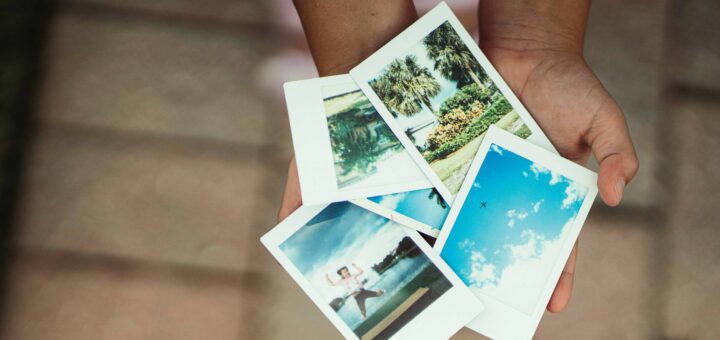
Gen Z, the very generation considered to be chronically online, is going analogue—from printing photos, to burning CDs, and bringing back quality-shot cameras. But while nostalgia was to blame during the pandemic, today points to a growing agitation toward artificial intelligence (AI).
This group, including anyone born between 1997 and 2012, are moving towards a less digitally focused lifestyle and placing importance on physical media—such as photo albums, film cameras, CDs, and more.
It’s the act of intentionally putting down technology and creating something tangible and permanent. Not as a performance but as a regrounding technique. The newest way of embracing the low-tech life is an analogue bag.
Analogue bags, an idea made trendy by TikTok creator Sierra Campbell (@siececampbell), are curated bags full of screen-free activities like crosswords, novels, digital or film camera, journals and maybe a craft. The purpose of these bags is to fill the free time in between tasks with nurturing activities, not doomscrolling.
While these fun bags are popular amongst the going analogue crowd, it’s not the only way people are choosing to disconnect. Some are choosing to simply craft in their spare time.
Transitioning to tangible past-times
Michaels, a craft and hobby store, has seen a major uptick in sales of “grandma hobbies,” such as knitting supplies. According to an article in Mezha, yarn and knitting sets saw sales increase by 1,200 per cent in 2025.
Overall, Michaels site reported a 136 per cent increase in interest in ‘analogue hobbies’ last year.
“I think there’s a really big cultural shift happening right now,” the article quotes Michaels chief merchandising officer, Stacey Shively.
But why? What are the forces driving this shift towards decentering the internet?
An article by Medium suggests that Gen Zs going analogue is a direct response to AI fatigue. With 63 per cent of Gen Z making an intentional effort to go offline, it seems we’re headed back to tactile hobbies. Not as a complete rejection of progress but as a deliberate recentering of the non-digital world.
Understanding AI fatigue
AI fatigue is described as the exhaustion that comes from keeping up with the rapidly changing field of artificial intelligence. It’s the emotional and mental toll of keeping up with technology evolving at a speed never seen before, with no indication of slowing down in the near future.
People aren’t just surrounded by ever-changing AI during school or work hours, but also in other aspects of life. AI has ingrained itself into everyday life to an almost inescapable level, from Apple’s Siri to Google’s suggestion boxes.
The analogue movement is being championed as a way to reconnect with the real, offline world. It’s an effort to slow down and find joy in the lack of constant stimulation. One influencer fully committing to the lifestyle is Shaughnessy Barker (@notshaughnessy). In her interview with CNN, Barker describes herself as an “AI hater to her core.”
Barker has a large collection of CDs, cassettes, and vinyl records, but her most analogue move to date was getting a landline. From hosting tech-free theme nights to running a monthly snail mail club, Barker is self-proclaimed as having gotten going on an analogue down-pact.
While AI fatigue is certainly a factor in going analogue, it’s not the only reason. A new phrase has popped up online: “don’t let social media be your only archive.” Over the past few years, certain social media applications have proven unpredictable and volatile.
Parts of apps can change overnight, leaving users confused and fearful about what this means for their digital memory archives—precisely what happened when Snapchat started charging users to store memories.
Snapchat’s slap in the face
Having first launched in 2011, the picture-sharing social media platform introduced Memories in 2016, which allowed users to save images directly to an album within the app. Over one trillion images have been saved via the function, prompting the app to limit free access for all.
“When we first launched Memories, we never expected it to grow to what it has become today,” read a news release from Snapchat. “We want to make sure that our community can continue to store all of their Memories over the long term.”
In September 2025, Snapchat announced its Memories Storage Plans, which means that users with over five gigabytes of saved images are now required to pay to keep them. This prompted some users to reflect on whether their digital memories truly belonged to them in the first place.
One article points out that social media sites are fragile. They are frequently sold, shut down or drastically changed. It’s not just social sites, either—hard drives crash, digital files accidentally get deleted. The only way to guarantee a memory’s permanence is to make it tangible.
Research shows that there is greater emotional attachment to tangible memories, as well as better recall, because they activate more of our senses and provide a real-world anchor for the memory.
The going analogue movement points to a deeper desire among Gen Z to put down their phones and reconnect with the world around them. Whether this is another micro-trend remains to be seen, but all signs point to it being just the beginning.