
Is retro music making a comeback?

Hannah Flammenspeck, Contributor
In a world dominated by streaming and algorithms, retro sounds are striking a chord with modern listeners.
From the disco-funk era of the ‘70s to the synth sounds of the ‘80s, retro records like Brit-pop and ‘90s grunge are making a comeback, reshaping fashion, the charts, and the way audiences engage with music.
One of the driving forces behind the comeback is nostalgia. Even for those who have not lived in a particular era, music has the unique ability to transport listeners to a different time.
For younger generations, this nostalgia extends to the way music is consumed. Young people are increasingly straying from the musical status quo, either as a form of escapism or simply showing an appreciation for the past.
As a result, physical forms of media are returning — cassette tapes, vinyl, CDs and even wired headphones are on the rise. In 2023, vinyl sales in Canada rose by over one-fifth from the previous two years, with album downloads being five times lower than in 2015.
In pop culture
Despite the convenience of streaming services, it appears physical media is here to stay. Social media, however, still plays a significant role in the renaissance of older music. TikTok has become a crucial tool for rediscovery, often catapulting old tracks into the mainstream.
Since the recent release of the divisive final season of Netflix’s Stranger Things that included Prince’s 1984 song “Purple Rain,” the track has seen a 243 per cent rise in global Spotify streams, most of which are from Generation Z.
The pivotal scene in season five has also led many people on TikTok to create video edits of the show or other pop culture moments to the song. A similar phenomenon happened in 2022 after Stranger Things season 4 and its use of Kate Bush’s “Running Up That Hill,” which secured a billion streams on Spotify that year.
However, nostalgic TV shows are not the only thing credited for the revival of old music. Biopics often ignite the popularity of a band or singer upon their release, with well-known actors playing famous musicians. With these performances often come awards–and the music benefits as well.
The release of A Complete Unknown in 2024, a biopic of Bob Dylan starring the ever-popular Timothee Chalamet, has led to the folk singer gaining a 150 per cent increase in streams upon the movie’s release.
A similar surge occurred when the movie Bohemian Rhapsody in 2019, when Queen’s streams increased from 588 million to 1.9 billion. That same year, Rami Malek secured Best Actor in a Leading Role at the Oscars for his performance as Freddy Mercury.
At the forefront of this music discourse is whether or not music from the past is better than music now. One of the main arguments for why music today is worse is that it is unoriginal. However, this implication suggests music from the past must be original, which is not the case.
The Beatles — frequently referred to as the greatest band of all time — were heavily influenced by other artists. When The Beatles began in Liverpool in the early 1960s, they were heavily inspired by American rock, a genre largely shaped by African American artists.
For instance, one of The Beatles’ most popular songs, “Twist and Shout,” was a cover of a song originally by the Isley Brothers, an African American R&B group. In fact, six of the fourteen songs on The Beatles’ debut album are covers, four of which are by other black artists.
Similarly, Oasis — recently back in the mainstream following their reunion tour, Oasis Live ‘25 — has faced criticism for borrowing from The Beatles’ sound. Despite accusations of unoriginality, Oasis remains one of the most successful and beloved bands to come out of the ‘90s music scene.
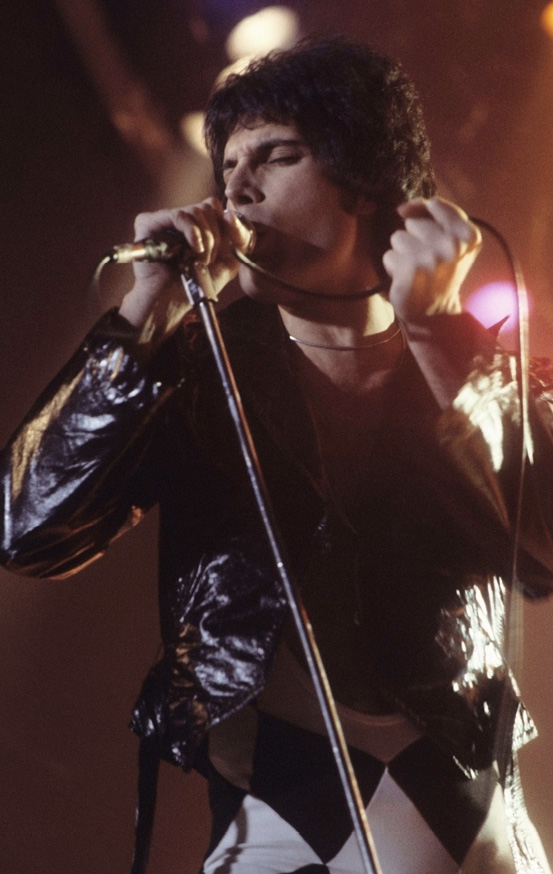
Freddie Mercury from the band Queen, performing in
Newhaven in 1977. Photo courtesy of Carl Lender /
Wikimedia Commons
So why now?
If unoriginality has always existed, even within the classics, then the current shift cannot be fully explained because of it. So what does drive people away from modern releases?
Because TikTok is a helpful tool for music discovery, music labels use it to their advantage. Due to virality being the core of music promotion, songs are now designed for short-form videos.
The hook of the song arrives fast, choruses are frequently repeated, and some remove the bridge of the song altogether.
The lyrics of songs have changed as well, often prioritising relatability and the capability of tracks within trends. Because of this, modern music feels inauthentic, with the drive being for streams as opposed to creating art.
An over-saturation of this kind of music on social media platforms quickly turns to fatigue, while older music feels less engineered and more intentional in comparison.
Although older music has nostalgia on its side, the appeal of it lies in the variety of music not created under the pressure of virality and overnight sensation.
While nostalgic television, TikTok trends, and biopics clearly lend to the rediscovery of old favourites, it begs the deeper question: why are younger people turning away from newer music?
In a society of doom-scrolling and constant stimulus, perhaps older music invites listeners to slow down and escape to a different time.