Reading into Edmonton’s book ban
Bella Coco, News Editor |
The Edmonton Public School Board (EPSB) plans to remove more than 200 books from school libraries to comply with a provincial mandate banning materials claimed to contain “inappropriate sexual content.”
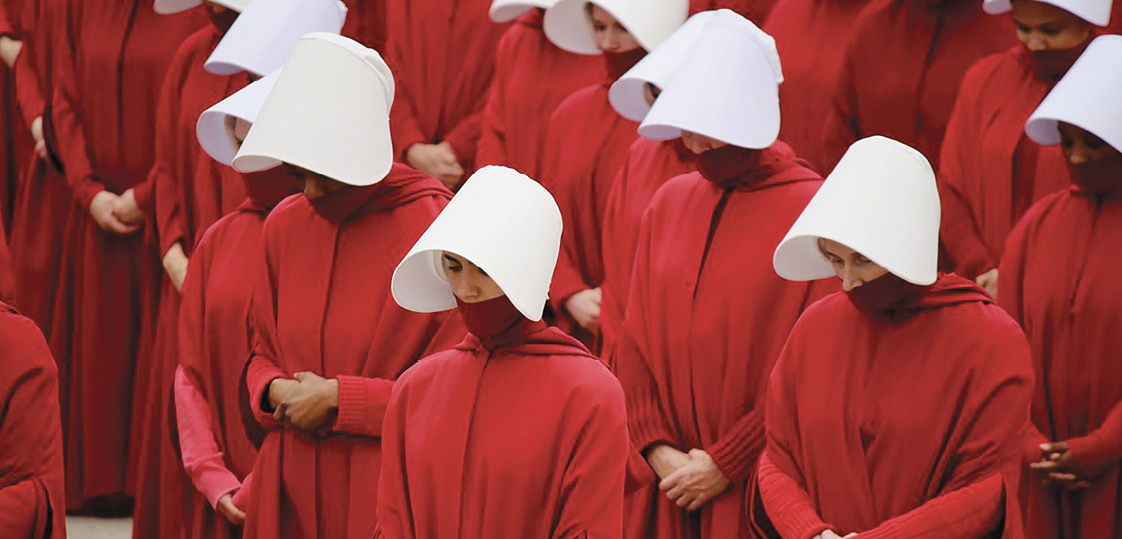
The list includes literary staples such as Margaret Atwood’s The Handmaid’s Tale, George Orwell’s Nineteen Eighty-Four, Aldous Huxley’s Brave New World, Maya Angelou’s I Know Why the Caged Bird Sings and F. Scott Fitzgerald’s The Great Gatsby.
Margaret Atwood, author of The Handmaid’s Tale, declined to comment to any news organizations, but took to
social media to voice her thoughts on the book ban. Photo courtesy of FLICKR
The EPSB confirmed the list, stating that staff applied the “over-broad” criteria laid out in the ministerial order signed by Education Minister Demetrios Nicolaides. The order requires the removal of books with explicit sexual content from all grades, though students in grades 10 and above may access material with non-explicit sexual content.
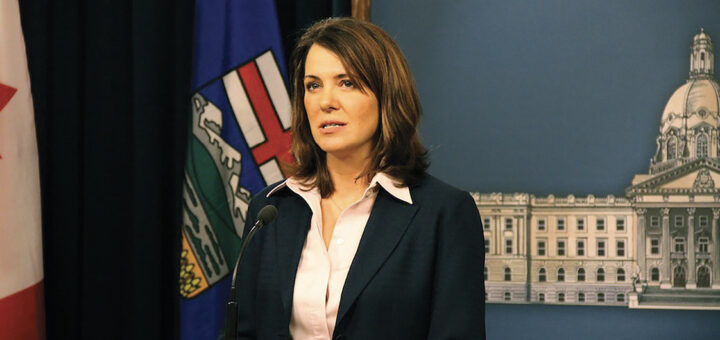
Alberta Premier Danielle Smith described the school board’s approach as “vicious compliance,” and the government would “hold their hand” to ensure the policy is applied appropriately.
Meanwhile, Nicolaides has asked the EBSP to clarify its choices and affirmed that his office will work with all school boards to implement the standards appropriately.
Civil liberties groups sound the alarm
The Canadian Civil Liberties Association (CCLA) issued a strong statement condemning the move as a dangerous form of censorship. The CCLA Executive Director, Howard Sapers, warned that removing influential works like The Handmaid’s Tale deprives students of critical learning opportunities.
“The banning of books is a hallmark of censorship, not democracy,” Sapers stated.
Similarly, the policy has drawn criticism from academic voices. James Turk, director of the Centre for Free Expression at Toronto Metropolitan University, says the ban appears to be the product of lobbying by right-wing groups such as Action4Canada and Parents for Choice in Education, who have long opposed LGBTQIA2S+ affirming content.
Turk and other critics point out that while the government claims not to target queer stories, the guidelines disproportionately affect them, citing graphic novels like Gender Queer, Fun Home, Blankets and Flamer as specific examples at the heart of the book ban.
What’s next?
Edmonton Public’s list is not final, and officials are expecting additions. Schools across Alberta are predicted to follow suit, though it is unclear how far they will follow in Edmonton’s footsteps.
The controversy also raises more questions of censorship in Canada. While domestic bans are rare—Canada’s Charter of Rights and Freedoms protects free expression across the country, with limitations only for hate speech or obscene content—school board decisions have occasionally drawn federal scrutiny, such as the Surrey, B.C., case overturned by the Supreme Court in Chamberlain v. Surrey School District.
Why does this matter for Calgarians?
In response to the Edmonton development, the Calgary Board of Education (CBE) says it is reviewing its inventory of over half a million titles to ensure alignment with the new provincial rules. The CBE has not released any specific titles under review and has not entirely committed to the provincial mandate, but indicated that further information will be shared as the process unfolds.
The Calgary Catholic Board of Education (CCBE) has confirmed that it will comply with provincial rules.
While the book banning wildfire sparks up across the province, parents and educators have voiced their concerns over the consequences of censorship.
- Access to literature: Books such as The Handmaid’s Tale, studied in Canadian schools and post-secondary institutions, may become harder to access and understand.
- Impact on curriculum: Calgary schools—CBE or CCBE—may prematurely adjust reading lists or library access and further affect student courses, assignments and engagement.
- Public pushback: Further concerns from parents, educators, students and civil liberties groups may sway board decisions or spark broader provincial debate.
Calgary’s response could become a trailblazer. Post-secondary students, especially in an academic environment like Mount Royal University, have a front-row seat to watch and participate in the conversation about what literature your communities value, and what the next chapter of Alberta’s book bans will look like.