
How F1’s latest rule-set is shaping upcoming season
Mustafa Imran, Staff Writer
The 2026 F1 season hasn’t even seen its first green light, yet the paddock is already vibrating with the kind of nervous energy usually reserved for a title-deciding race. For the first time since 2014, the slate is wiped clean as the sport enters a new era with new rules and constraints for the cars — it’s a total DNA transplant for every team, driver, and car. But don’t let the ‘reset’ talk fool you. While some are still fumbling with the new blueprints, the elite are already sprinting.
The 2026 F1 season is the first in a brand-new era with a new car philosophy — gone are the big, heavy tanker cars of the ground-effect era. Back are the lighter, nimble cars. Weighing 30kg less than the previous era’s cars and measuring 200mm narrower and 100mm shorter, the new F1 cars are designed to facilitate close-quarters racing, something fans have complained went missing over the past few seasons.
The cars are mechanically different, too. The electric part of the hybrid powertrains now generates 50 per cent of the overall power output. F1’s famous drag reduction system (DRS) is now a thing of the past, replaced by constantly adjustable active aerodynamics that switch between X mode for straights and Z mode for corners.
Previously, drivers had to wait until they reached designated zones and were within one second of the car they were attempting to overtake to deploy DRS, which flattened the rear wing, reducing aerodynamic drag and giving up to 10 km/h of extra speed at the top end when activated. The modes will automatically change in the correct zones on each track, giving the driver more focus during heated wheel-to-wheel battles and further penalising those who overdrive their machines.
Boost from the electric motor can also be deployed at any time, provided the batteries are charged, allowing drivers to perform overtakes without waiting for a DRS zone. Cars will run softer and higher off the ground, making them more efficient and reducing the need to “lift and coast” to save fuel mid-race. With energy deployment more in the driver’s control, it is now more of a strategic game – the cars being more nimble might lead to more cars dancing around as well. All of this, combined with the reduction in downforce, should mean less “dirty air,” allowing the drivers to push flat out and race wheel-to-wheel.
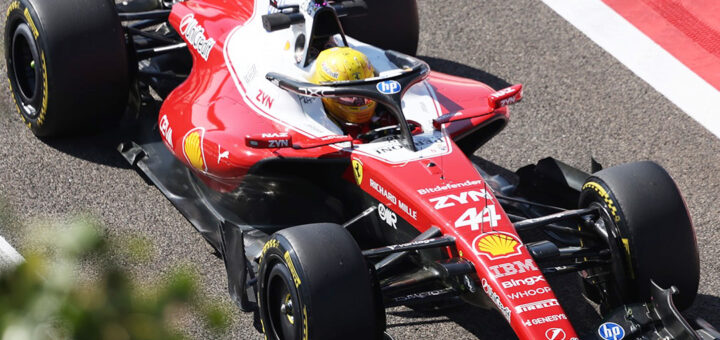
New concepts and cars also bring new testing troubles, as seen in this year’s Bahrain pre-season testing period. Ferrari is emerging as a way-too-early frontrunner thanks to its clever, fully rotatable flipping wing and smaller turbocharger, allowing the engine to generate power faster and get off the line for race starts more quickly. Lewis Hamilton and Charles Leclerc look more comfortable in scarlet than they did last year already, showing the pace they set in simulation runs can translate on the track.
Red Bull and Mercedes aren’t too far behind the boys in Rosso, but Mercedes might fall further behind if their latest engine trick is banned. The FIA’s new ruleset for F1 limits the compression ratio — the ratio of air-to-fuel in the engine’s combustion chambers — when the engine is at its resting temperature of 130 C. Since they only measure it at that temperature and F1 engines routinely cross the 2,000 C mark during races, Mercedes designed and 3D-printed engine parts that expand the combustion chambers at high temperatures, generating larger combustion reactions and increasing horsepower. BBC Sport’s F1 correspondent Andrew Benson reported earlier in the month that rival teams were lobbying to shut down Mercedes’ exploit of the loophole, but Mercedes team boss Toto Wolff insisted that the FIA inspected and ruled that their engines were legal.
The teams that seem to be struggling the most are Aston Martin and the new kid on the block, Cadillac. Now engaged in an exclusive engine partnership with Honda, Aston Martin’s AMR26s have been plagued with problems, most of which come from the new power unit. Their battery is inefficient compared to rivals, and mechanical issues during testing limited the team to less than 250km of on-track testing per day — in contrast, Mercedes averaged over 600km per day, according to The Race. The engine also cannot reach redline without overheating and malfunctioning, forcing them to limit the car’s peak engine speed and reducing peak power even further. The team’s lead driver, Fernando Alonso, has been known to be temperamental with unreliable and slow racecars, and he’s already started to show signs of frustration as his car was reportedly over four seconds behind the back of the pack and up to 50 km/h slower through Turn 12 of the Bahrain International Circuit than it was last year.
American F1 fans were excited about Cadillac, but after Michael Bay lodged a breach-of-contract and fraud lawsuit against them over a Super Bowl commercial, their first season has only gotten worse. After hiring hundreds of people, building a base in Silverstone, and designing a chassis, all in just one year, their car has been over six seconds slower than the fastest car on the grid day after day, not to mention the fact that it has been plagued with technical issues. They have also suffered from supply chain issues, leading to aerodynamic problems and forecasting upgrade delays for the season. The only silver lining is that the team has stated that 2026 is a learning year; their pace fits that.
With their technical innovations, Mercedes and Ferrari look like early contenders. Both have good aerodynamic bases to build on, along with strong engines and driver lineups to deliver the results. Audi’s decent pace through testing could mean they will be a dark horse contender in this year’s midfield and consistently score points, especially with their driver lineup of Gabriel Bortoleto and Niko Hulkenberg. Aston Martin looks to be the favourite for last place, but with billionaire Lawrence Stroll at the helm, Adrian Newey, the best aerodynamicist in the sport, in their garage, and Fernando Alonso, one of the sports’ most respected drivers, in their car, anything is possible.
New rules, new cars and a few new drivers are set to make the upcoming F1 season one for the ages. The unpredictability of these new cars means there will be something new happening every race weekend for the next 24 races.