
OPINION: Snitches get stitches, but should they?
Zafir Nagji, Sports Editor
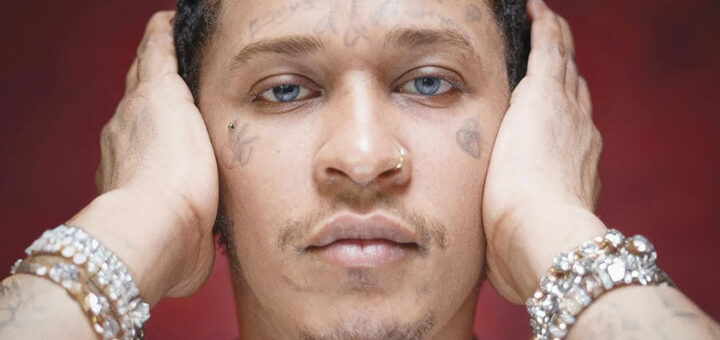
In 2022, famed Atlanta rapper Young Thug, legally named Jeffery Lamar Williams, was arrested as part of a larger Racketeer Influenced and Corrupt Organizations Act (RICO) investigation. Accused of hiding an organized criminal enterprise within his record label—Young Stoner Life Records—Williams, along with many of his friends and associates, endured a nearly two-year-long trial. From jury selection in January 2023 to his plea in October 2024, Williams spent over 900 days in custody—the longest trial in Georgia’s history.
Williams’s release and guilty plea came after Gunna, arguably his closest associate, took a plea deal earlier in the trial by signing a document admitting under an Alford plea, allowing him to maintain innocence while acknowledging sufficient evidence that YSL is a gang. This isn’t considered snitching in the traditional sense, but it gave the prosecution a leg up in the case. It may have also influenced the numerous other rappers caught in the trial to take plea deals in exchange for disclosing information.
Following his release, Young Thug unfollowed Gunna on X, a move other artists in their circle soon mirrored, and the two have not collaborated on a song since the trial. On his 2023 song “bread and butter,” Gunna, legally named Sergio Giavanni Kitchens, alleged that he did not snitch, instead blaming his lawyers for tricking him into signing a plea deal that would compromise his associates. Williams waited months to speak directly about the trial and his relationship with Gunna, eventually appearing on Perspektives with Bank to share plenty of quotes that went viral soon after.
Young Thug elaborated on the favors he did for Gunna to help him achieve his fame and wealth, expressing the betrayal he felt after hearing of his associate’s plea deal and the hopelessness he felt about his case soon after. However, this case reawakened one of the most polarising topics in hip-hop culture—one that has ended careers, friendships and reputations over the years.
Is it okay to snitch?
This question seems much easier to answer than it actually is and it requires nuance to fully understand. On one hand, the simple answer would be yes, in that crimes should be reported in an effort to prevent as many crimes as possible. However, things are not always so black-and-white, as evidenced by the Young Thug debacle.
Let’s assume that YSL was, indeed, a criminal organization that Young Thug headed. Gunna, who was rumoured to hold a high-ranking position, was, at the very least, aware of his associates’ illegal actions. Not only was he aware, but as Williams brought up in his Perspektives with Bank interview, Kitchens benefited directly from those activities, with Williams allegedly helping Kitchens purchase property for his parents, vehicles for his family members,and even buying his first apartment.
With those factors in mind, this becomes less of a ‘should you snitch’ situation and more of a ‘don’t bite the hand that feeds you’ issue. Had Gunna truly taken issue with the morality and legality of Young Thug and their associates’ actions, he should not have taken advantage of the benefits of that situation. After having reaped the benefits, snitching seems hypocritical, especially concerning the context of freeing yourself early from a case where your closest friend is facing life sentences.
Tekashi 6ix9ine became infamous after his snitching ordeal for betraying his fellow gang members to escape racketeering charges as well, but unlike Gunna’s Alford plea, 6ix9ine testified directly to the court, eventually leading to RICO charges being laid upon Anthony Ellison and Aljermiah Mack, two of the members of the Nine Trey Gangsta Bloods, the gang he was affiliated with. Since then, the public’s perception of 6ix9ine took a serious blow, with his stream numbers and popularity never resurfacing at his peak’s levels and respectability for him still low in the hip-hop community.
Snitching on yourself
Hip-hop artists have also been criticised for snitching on themselves, including all-too-real details of their heinous acts that are then used against them in criminal investigations and corroborated with real-world evidence. The case levied against YSL, for example, was filled with lyrics taken from the record label’s discography, connecting lyrics to real-world events to construct a timeline and provide more details about the crimes Williams and his associates were accused of.
The gruesomely descriptive lyrics to YNW Melly’s hit record “Murder on my Mind” were compared to details of the double murder he was arrested on suspicion of committing in 2019. Due to a mistrial, Melly, whose legal name is Jamell Demons, is awaiting a retrial, which has been postponed until at least 2027.
Deceased Chicago-rapper King Von also routinely snitched on himself through his music, most famously during his beef with Quando Rondo. King Von, legally named Dayvon Daquan Bennett, famously had his lyrics read back to him during one of his many legal trials from his song “Crazy Story,” describing a robbery-homicide he allegedly committed. Von was later murdered, suspectedly in the context of his beef with Quando Rondo and the OTF gang, making his lyrics all the more real-feeling.
Other artists, such as Tyler the Creator, use lyrics describing criminal activity and gruesome scenes as an artistic choice without actually committing any crimes. Additionally, using an art form as legitimate evidence to prosecute someone is a flawed principle—not every love song is about a true love experience an artist underwent, and not every crime listed in a rap song was actually committed, let alone by the artist who made the song.
Blurred ethical lines
Hip-hop is a genre rooted in people of colour expressing their trials and tribulations with issues like racism, police brutality and systematic prejudice. As a result, reporting your associates’ activities to the police is perceived as a breach of trust.
This perception worsens further in the context of gang life, something that many rappers grew up experiencing and remained involved with even after achieving fame and wealth. Similar to how Italian immigrants in the USA formed their own secret self-governing systems that later came to combat the discrimination they faced from American police and people alike, African Americans formed groups to protect, govern and provide for themselves.
Italian organisations became popularised through popular culture like The Sopranos and The Godfather, and while those shows depict the very real criminal activity that took place within the ‘mafia,’ they only highlighted a small portion of the struggles Italian Americans faced when seeking governance and protection from relatable figures. The ends don’t justify the means of criminal behaviour, but the organisations were rooted in self-governance and protection.
Political advocacy groups, such as The Black Panthers, helped African Americans fight during the Civil Rights movement, and more recently, Black Lives Matter has helped bring more awareness to police brutality. However, at the neighbourhood level, some African Americans still live in the underfunded, infrastructure-deprived neighbourhoods in which they were segregated away from white society. Gang organisations thus became a way to protect and provide for oneself and one’s family.
Some of those involved in those organisations chose to make music and document how they felt during various experiences, opening up new perspectives into the life of a Black American. For example, 2Pac’s discography is filled with songs about the violence of his neighbourhood, the lack of change in society around him, and even his struggles grappling with there being “no heaven for a thug” on his heartbreaking song “Thugz Mansion.”
Taking this background information into consideration, snitching can be seen as a betrayal of racial and cultural unity, going back on systems created by Black people to lead and protect each other. However, that also does not justify the murder, drug trafficking, and other crimes being committed—injustice is injustice, no matter who carries out the injustice and what pretext the injustices are being committed under.
Ultimately, there is no right answer when it comes to the question, ‘is it acceptable to snitch?’ In the context of hip-hop, it’s a loaded question that comes with historical implications, which cloud judgement even further. Legally speaking, you should always contact the authorities when you witness a crime for your safety and the safety of others. Whether you hold artists and public figures to the same standard is entirely subjective and up to you.